Almost every home has a junk drawer, and there’s nothing wrong with keeping a few odds and ends in one place. The trouble starts when it becomes a catchall for things you no longer need, broken items, and objects you can’t even identify.
Before long, the drawer is so packed that finding something useful becomes a chore. If yours has reached that point, here are 12 things worth taking out.
Keys Without a Home
If you have keys tucked away but can’t remember what they unlock, there’s probably no reason to keep them indefinitely. Check with other household members before tossing them, then get rid of any that nobody recognizes or needs.
Scraps of Paper
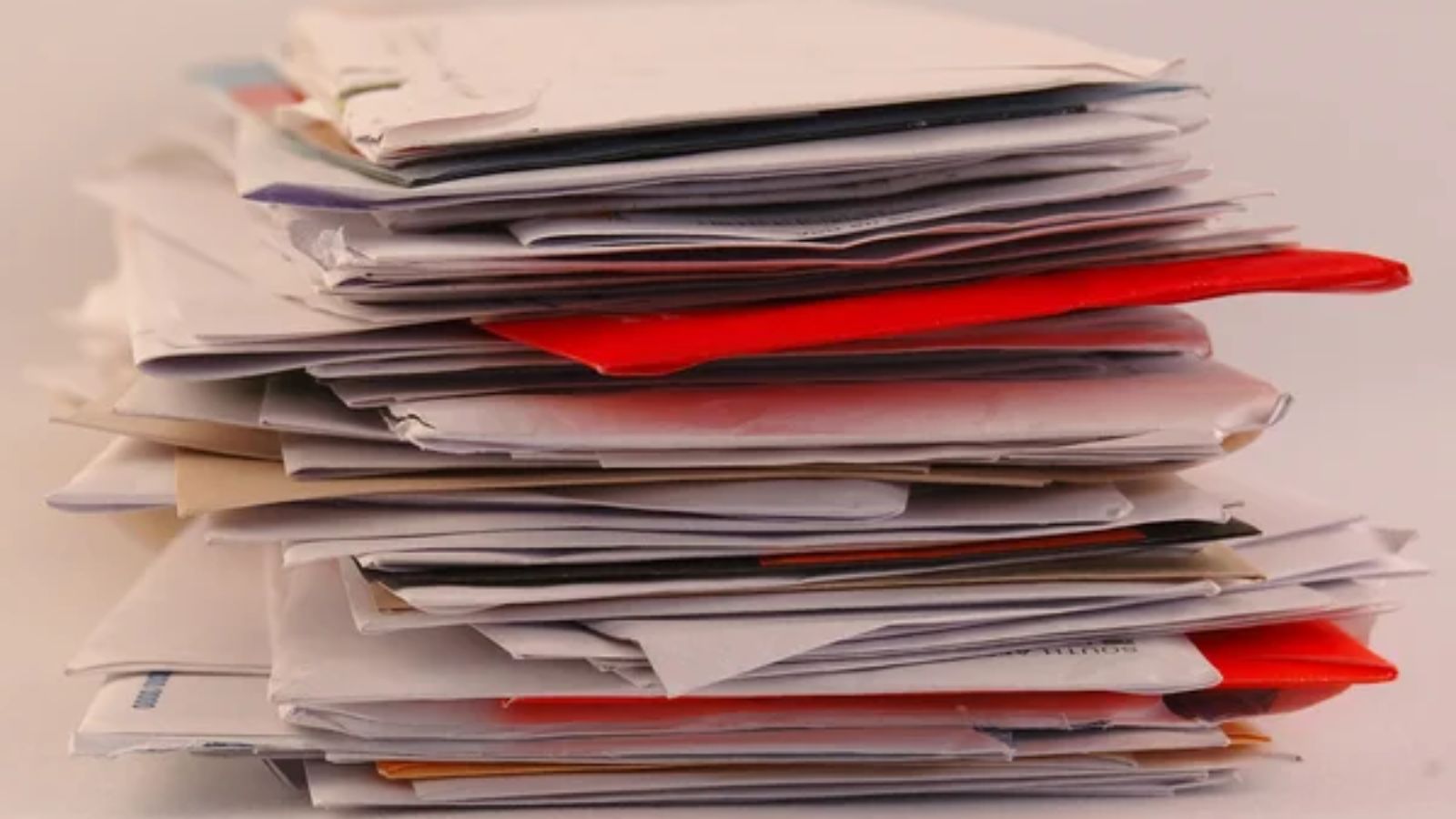
Old notes, torn envelopes, shopping lists, and random paper scraps can pile up quickly. Keep any information you still need, then recycle the rest instead of letting loose papers take over the drawer.
Pens
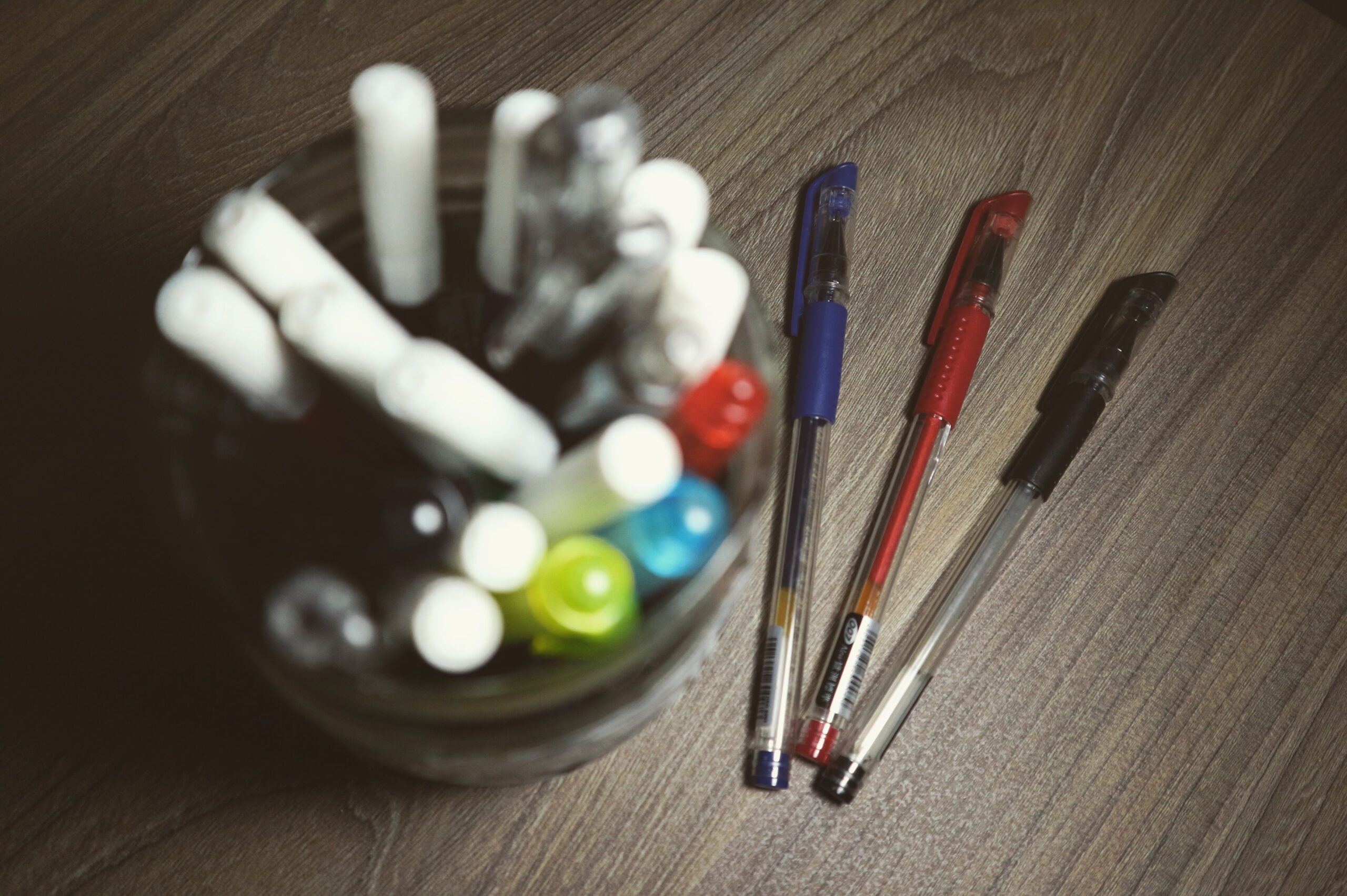
Junk drawers often end up with more pens than anyone could possibly use. Test them, toss the dried-out or leaking ones, and keep a small handful of working pens somewhere easy to reach.
Coupons
Coupons are useful if you actually remember to use them, but forgotten ones often sit in drawers until their expiration dates pass. Check the dates, throw away expired offers, and keep current coupons in a folder or spot where you’ll see them before shopping.
Rubber Bands
A few rubber bands can come in handy for bundling papers or securing small items. Keep a small supply in a container, and toss the brittle, stretched-out ones and any extras you rarely use.
Miscellaneous Screws
Loose screws don’t belong in a drawer filled with unrelated household items. Put useful ones in a labeled container with your tools so you can find the right size when a repair comes up.
Condiment Packets
Ketchup, mustard, mayonnaise, and other takeout packets tend to collect in junk drawers after meals. Move the usable ones to a small container in the refrigerator, and throw away any that are expired, damaged, or have been stored improperly.
Takeout Menus
If you usually order food online or check restaurant menus on your phone, old paper menus may be taking up space for no reason. Recycle the ones you no longer use and keep only menus from places you still call regularly.
Old Batteries
Loose batteries can make a junk drawer unsafe, especially if their terminals touch metal objects or other batteries. Keep usable batteries in their original packaging or a proper battery organizer, and take old or damaged ones to an appropriate recycling or disposal location.
Coins
Loose change can quickly fill the corners of a junk drawer. Gather it in a jar or coin holder, then use it for small purchases, deposit it at your bank, or take it to a coin-counting service.
Broken Items
That broken keychain, dead flashlight, or missing-piece gadget you’ve been meaning to fix may have been sitting there for months. If you haven’t repaired it and have no plans to do so, let it go or take it to the proper repair or recycling facility.
Random Items You Don’t Use
Junk drawers often contain things that don’t belong anywhere else, from old promotional freebies to mystery parts and gadgets nobody remembers buying. Sort through them one by one, return useful items to their proper places, and donate or discard anything you no longer need.