Borax is one of those old household products that many people remember seeing in their parents’ or grandparents’ laundry rooms. While it may not get as much attention as newer cleaning products, this inexpensive white powder still has several uses around the home.
Borax is commonly used as a laundry booster and household cleaning ingredient, but people also try it for odors, stains, and pest problems. It does require some care, though, since swallowing or breathing in the powder can be harmful, and it isn’t suitable for every surface, plant, or household task.
If you’ve only ever associated borax with laundry, here are 11 ways people use it around the house, along with a few precautions to keep in mind.
What Is Borax?
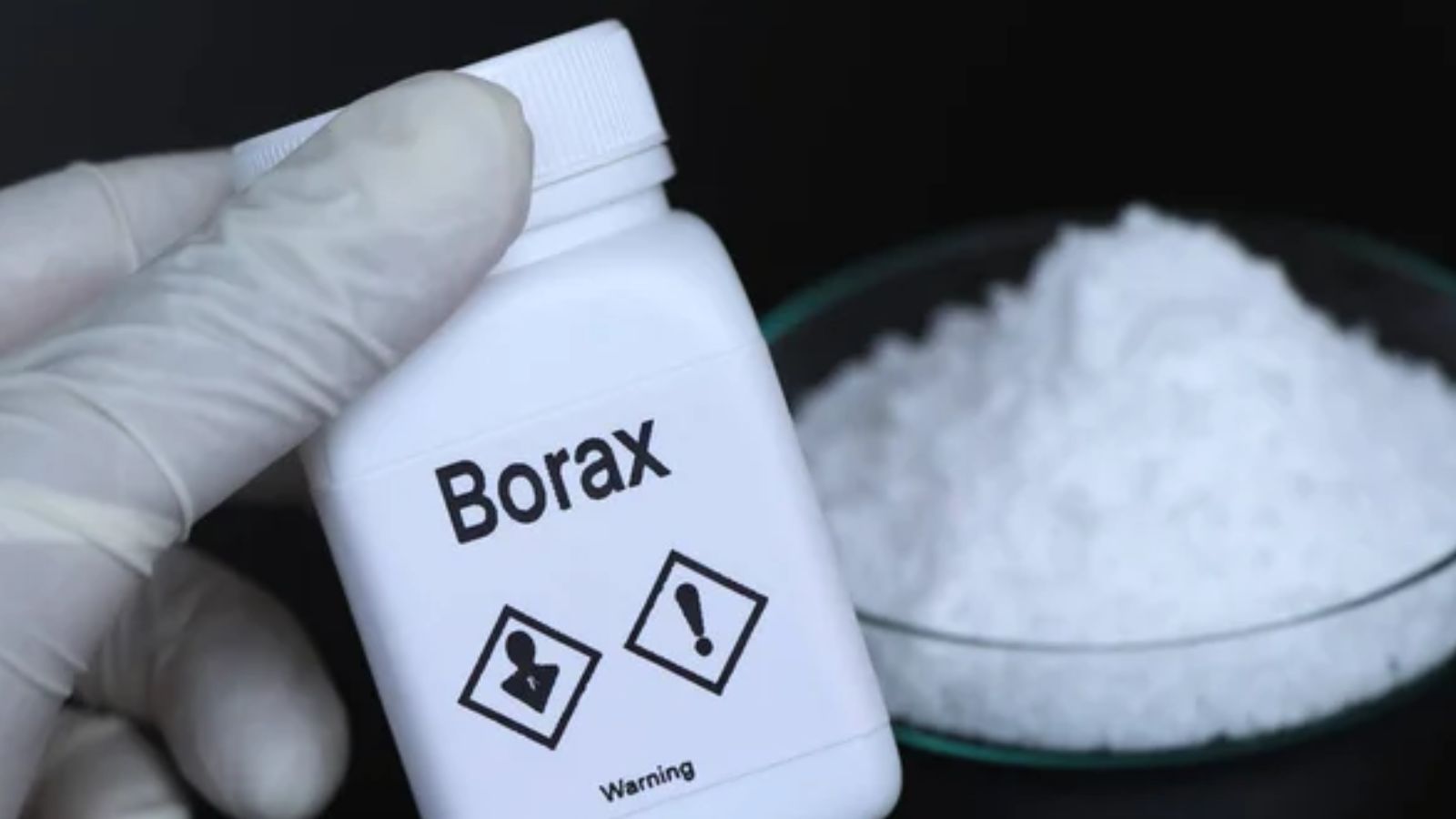
Borax, also called sodium tetraborate, is a naturally occurring mineral compound found in dried lake beds and other mineral deposits. It usually comes as a white powder and dissolves in water, which makes it useful in certain cleaning and laundry products.
Borax has been sold as a household cleaning product for generations, especially for washing clothes and tackling stubborn dirt. Handle it carefully, and keep it away from children and pets, because swallowing it can cause poisoning and the powder may irritate the eyes, skin, and airways.
1. Borax as a Laundry Booster
You can add borax to laundry detergent to help with cleaning, especially in areas with hard water. Follow the product label for the recommended amount, and avoid using it on fabrics that aren’t suitable for borax-based laundry products.
2. Fungicide
Borax is sometimes suggested as a home treatment for fungal problems on plants, but applying it to leaves can cause damage. It isn’t a reliable general-purpose fungicide, so use a plant treatment labeled for the particular fungal disease you’re dealing with.
3. Household Cleaner
You can mix borax with warm water to make a cleaning solution for certain washable household surfaces. Follow the package directions, wear gloves if your skin is sensitive, and test a small hidden area before cleaning a larger surface.
4. Plant Fertilizer
Plants need small amounts of boron, but too much can be toxic and damage roots or leaves. Don’t use borax as a general fertilizer; add boron only when a soil test confirms a deficiency and a gardening expert recommends the right amount.
5. Natural Pest Control
Borax is used in some ant baits because it can poison ants that consume the mixture and carry it back to their colony. Keep any borax bait in a secured, labeled bait station and away from children, pets, food, and areas other wildlife may reach.
6. Deodorizer
Borax is sometimes used to help clean smelly garbage cans and other washable household surfaces. Rather than leaving an open bowl of powder in the refrigerator, wash the affected area with a suitable cleaner and follow the borax package instructions if using it for odor-related cleaning.
7. Weed Killer
Borax can damage unwanted plants, but it doesn’t distinguish between weeds and the plants you want to keep. It can also build up in soil and harm nearby vegetation, so using it as a garden weed killer is a poor choice.
8. Mold and Mildew Remover
Borax solutions are sometimes used to scrub mold and mildew from hard, washable surfaces. For larger mold problems or areas with recurring moisture, address the leak or dampness and use a cleaner suitable for the affected material rather than relying on borax alone.
9. Stain Remover
Borax may help with certain stains on washable materials, depending on the fabric and the type of mark. Always check the care label, follow the product instructions, and test a hidden spot before treating carpets or upholstery.
10. Dishwashing Aid
Some older cleaning tips recommend adding borax to a dishwasher to deal with hard-water deposits and improve cleaning. Don’t add it unless your dishwasher and detergent manufacturers specifically approve its use, since unapproved additives may leave residue or affect appliance parts.
11. Fabric Softener
Borax is sometimes recommended as a homemade fabric-softening aid, but it isn’t a true fabric softener and won’t provide the same benefits as a product made for that purpose. Follow your detergent and washing machine instructions, and use a laundry softener if you want softer clothes and less static.