I’ve been thrifting long enough to know how easy it is to talk yourself into buying something just because it’s cheap. A $6 blazer, a solid wood table for $20, or a designer handbag for a fraction of its original price can feel like a find too good to pass up.
For years, I thought paying less meant I was being smart with my money. Then I started noticing how many of my so-called bargains sat around waiting to be cleaned, repaired, refinished, or altered, and some eventually went right back into the donation pile.
I finally realized that a low price doesn’t make something a good deal if I never use it. Changing that one habit has saved me more money than any thrift store sale ever could.
Cheap Doesn’t Automatically Mean It’s a Good Deal
When something costs $5 instead of $50, it’s tempting to focus on the $45 you think you’ve saved. But if you didn’t need it in the first place or never use it after bringing it home, you’re still out $5.
Those small purchases can pile up before you notice. A $4 basket, a $6 shirt, an $8 lamp, and a $5 decoration add up to $23 spent on things that may end up collecting dust.
Related: 12 Things You Should Never Do While Thrifting
I Stopped Buying Things Just Because They’re a Good Brand
Spotting an expensive brand at a thrift store can make you forget to check whether the item is actually worth buying. You might overlook a stain, a broken zipper, or an awkward fit just because you know how much the brand sells for new.
Now I ask myself whether I’d want the item if the label meant nothing to me. If I wouldn’t, the fact that it once sold for $200 doesn’t make it a bargain.
Related: 6 Popular Books That Thrift Stores Wish More People Would Donate
I Look at the Flaw Before the Price
A small scratch or loose button might be an easy fix, but moth holes, broken zippers, deep water damage, and stubborn stains can turn a cheap find into a headache. I’ve learned to inspect an item carefully before getting excited about the price tag.
I used to focus on what something could look like after a little work and tell myself I’d deal with the flaws later. Now I look at what’s wrong first and decide whether the item is still worth bringing home.
Related: 14 Items Worth Hunting for at Thrift Stores Before You Buy Them Retail
I Ask Whether I’ll Actually Fix It
There’s a big difference between finding something that can be repaired and finding something I’m willing to repair. Before buying a project, I ask myself whether I’ll realistically make time for it or whether it’ll sit untouched for months.
A $10 handbag can become expensive if replacing its zipper costs several times what I paid. The same goes for furniture that needs refinishing, clothes that need alterations, and lamps that require rewiring.
Related: How to Clean Wood Furniture
I Stopped Shopping for My Fantasy Self
Thrift stores make me think I’m about to become someone with an entirely different lifestyle. I might convince myself I’ll start wearing vintage dresses, learn to sew, refinish a huge dresser, or host dinner parties that require a dozen wine glasses.
These days, I shop for the life I actually have, not the one I keep telling myself I’ll have someday. If I can’t picture myself using something soon, a low price isn’t enough to convince me to buy it.
I Consider the Real Cost of a Thrift Store Find
The price tag rarely tells the whole story if an item needs extra work or supplies. A $15 chair that needs $40 worth of fabric isn’t really a $15 chair, just as a $10 dress that needs $30 in alterations costs more than it first appears.
I still enjoy a good furniture makeover or sewing project, but I think about the added costs before buying anything. Factoring in time, supplies, and money helps me decide whether a project is worth it.
I Check Clothing Much More Carefully
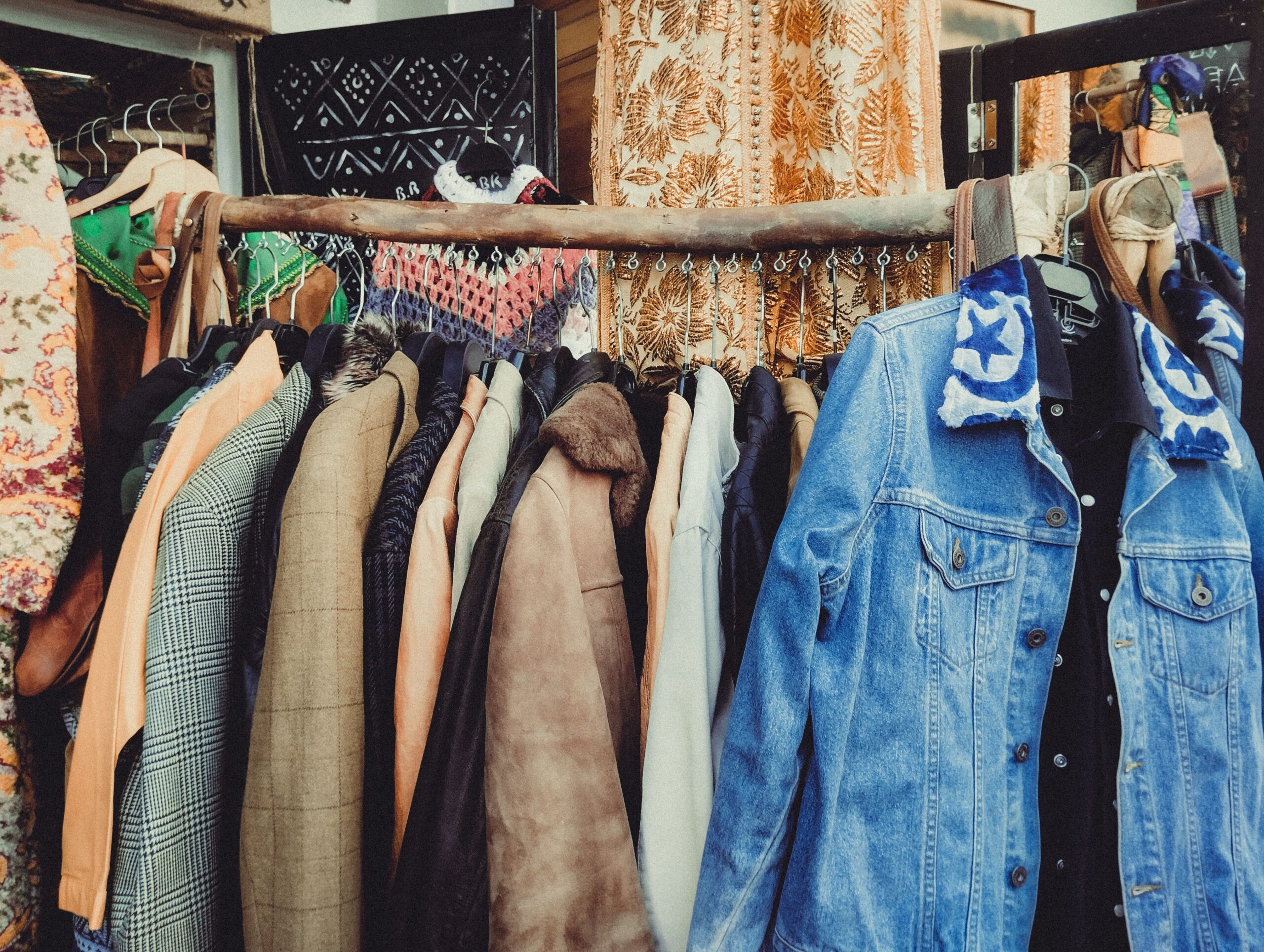
I’ve brought home thrifted clothes that looked fine in the store, only to find stains, tiny holes, or damaged seams later. Now I check the underarms, collar, cuffs, hems, buttons, zippers, and fabric before paying.
Wool and cashmere get extra attention because small moth holes can be easy to miss. A beautiful sweater may cost only a few dollars, but it’s no bargain if it’s damaged beyond what I’m willing to repair.
Related: People Are Starting to Feel Priced Out of Thrift Stores — and They’re Frustrated
I Ask Where It’s Going Before I Buy It
Home décor is where I’ve had to be especially careful because it’s easy to fall for something simply because it’s cute. Before buying anything, I ask myself exactly where it’ll go once I get home.
If I already have a spot for it, I’ll give it a closer look. If I’m trying to invent a reason to put it in every room, that’s usually a sign I’m tempted by the low price more than the item itself.
I Don’t Buy Something Just Because It’s Only a Few Dollars
Small purchases are easy to brush off at thrift stores because each one feels harmless. After saying “It’s only $3” several times in one trip, though, you can end up spending $30 on things you never planned to buy.
I’ve become much pickier about inexpensive finds, even when they look like a steal. A low price gets my attention, but I still need a good reason to bring something home.
I’ve Learned to Leave Great Finds Behind
One of the hardest parts of thrifting is knowing that a good find might be gone if you don’t buy it right away. That feeling can make you rush into a purchase because you’re afraid another shopper will grab it first.
I’m learning to be okay with walking away, even when something is lovely or unusually cheap. I’d rather miss one bargain than keep bringing home things I don’t need and later have to sort through them all over again.
The Questions I Ask Before Checking Out
Before buying something, I ask myself whether I’d want it at a higher price, whether I can use it as-is, and whether I’m willing to fix any problems. I also think about where it’ll go at home and whether I genuinely need it.
If I have to spend too much time talking myself into the purchase, I usually put it back. I still love thrifting and find plenty of worthwhile bargains, but I no longer judge a good shopping trip by how much I carry out the door.
Sometimes the best find is something wonderful for $5 that would cost $50 new. Other times, the smartest way to save money is to leave the item on the shelf.