
A plain backyard fence can do its job without adding much to the view. A few well-chosen plants can change that. Vines, flowers, shrubs, and edible plants can soften hard fence lines, add color, attract pollinators, and make a small yard feel much more inviting.
Vertical gardening is also a practical option for gardeners who don’t have much ground space. Instead of giving up valuable planting room, you can train certain plants upward along a fence or grow them near its base. Some choices provide flowers and fragrance, while others can give you herbs, berries, or vegetables.
Here are 20 plants worth considering if your fence needs a little more life.
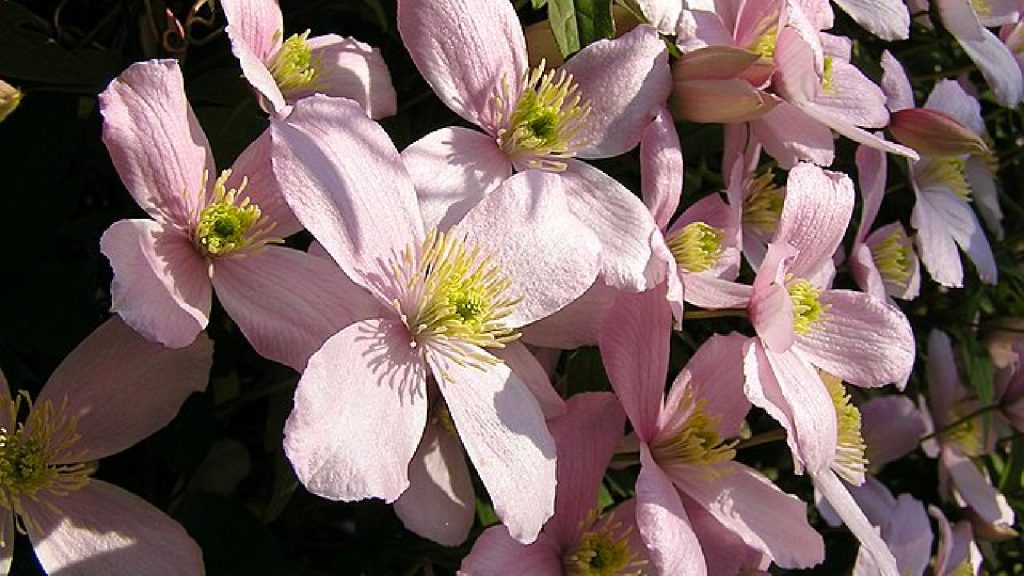
Clematis
Clematis is a classic choice for dressing up a fence. Its star-shaped flowers come in shades of purple, pink, white, and red, with many varieties producing an impressive display during the growing season.
The vines prefer well-drained soil, plenty of sun on their leaves, and cooler, shaded roots. A trellis or other support gives the vines something to climb.
Related: 14 Indoor Plants Believed to Attract Good Energy
Bougainvillea
If you garden in a warm climate, bougainvillea can turn a plain fence into a wall of color. Its bright bracts come in shades of magenta, pink, orange, red, and purple.
Give it plenty of sunlight and well-drained soil. Once established, bougainvillea can handle periods of dry weather and doesn’t need constant watering.
Trumpet Vine (Campsis radicans)
Trumpet vine gets its name from its bright, trumpet-shaped flowers, which are especially attractive to hummingbirds and other pollinators.
It grows in full sun or partial shade and can handle a range of soil conditions. Keep in mind that trumpet vine can spread aggressively, so give it room and keep an eye on where its runners are going.
Honeysuckle (Lonicera)
Honeysuckle brings two things to a fence: flowers and fragrance. Depending on the variety, its blooms can be yellow, pink, orange, or white.
It grows well in full sun to light shade and appreciates regular moisture. Give the vines a sturdy support, and you’ll soon have a leafy screen with a sweet scent during the flowering season.
Related: 14 Plants That Turn Vertical Gardens Into Living Walls
Star Jasmine
Star jasmine is a favorite for gardeners who want a fence covering that looks good for much of the year. Its glossy green leaves are paired with small white flowers that give off a sweet fragrance during warmer weather.
Plant it in full sun or partial shade with well-drained soil. In warm climates, it can provide dense greenery and flowers with relatively little fuss.
Hydrangeas
Hydrangeas can soften the hard lines of a fence with their large flower clusters and full foliage. Depending on the variety and growing conditions, blooms may appear in shades of blue, pink, purple, or white.
They prefer moist, well-drained soil and usually do best with morning sun followed by afternoon shade, particularly in hot areas. Their rounded flower heads also make a nice backdrop for a more layered garden.
Roses (Climbing or Shrub)
A climbing rose can give a fence a traditional garden look, while shrub roses can fill out the area along the base. With countless colors, flower shapes, and fragrances available, there is plenty of variety to choose from.
Roses generally need several hours of sunlight, good drainage, regular watering, and occasional pruning. A climbing variety will also need something sturdy to support its canes.
Related: 15 Easy-Care Plants That Naturally Repel Garden Pests
Sunflowers
Few plants make as quick an impression as sunflowers. Their tall stems and large yellow, orange, or reddish blooms can bring a cheerful burst of color to an otherwise plain fence.
Plant them where they’ll receive full sun and give them regular water while they’re getting established. Shorter varieties work well in smaller yards, while taller types can create a dramatic seasonal screen.
Lavender
Lavender works especially well along sunny fences. Its silvery foliage and purple flower spikes add color without requiring constant attention.
It prefers full sun and well-drained soil and generally handles dry conditions once established. The flowers also attract bees and other pollinators, while the fragrant foliage makes the area around the fence smell pleasant.
Hibiscus
For a tropical look, hibiscus is hard to miss. Its large flowers can come in shades of red, pink, orange, yellow, and other colors, depending on the variety.
Hibiscus likes warmth, sunlight, fertile soil, and regular moisture. In suitable climates, it can provide flowers throughout much of the warm season and bring a vacation-like feel to a backyard fence.
Ivy (English Ivy)
English ivy can create a thick green covering over a fence, particularly in areas with partial or full shade. Its lobed leaves provide year-round greenery in many climates.
It can grow vigorously, though, and may become difficult to control if left unchecked. Check local recommendations before planting it, since English ivy is considered invasive in some areas.
Boxwood (Hedging)
Boxwood isn’t a climbing plant, but it can make a fence look much more finished when planted along its base. Its dense evergreen foliage can be trimmed into neat hedges, rounded forms, or other shapes.
It generally grows well in full sun to partial shade and needs well-drained soil. Regular pruning keeps the plants compact and prevents them from taking over the walkway or garden bed.
Hostas
Hostas are a good pick for a shady fence line. Their broad leaves come in many shades of green, blue-green, and variegated patterns, giving you plenty of options for mixing textures.
They prefer partial to full shade and moist, well-drained soil. Their flower stalks rise above the foliage during summer, but the leaves are the main attraction.
Heuchera (Coral Bells)
If you want colorful foliage rather than relying on flowers, heuchera is worth a look. Its leaves can be burgundy, purple, lime green, bronze, silver, or patterned, depending on the variety.
Coral bells work well along the bottom of a fence or mixed with other shade-loving plants. They generally prefer partial shade and soil that drains well while retaining some moisture.
Ferns
Ferns are an easy way to give a fence a softer, woodland-inspired look. Their feathery fronds add plenty of texture without requiring bright flowers.
Many varieties prefer shady, moist locations and soil rich in organic matter. Plant them along the base of a fence where they can fill in empty spaces beneath taller plants.
Grapevines (Vitis)
Grapevines can turn a fence into a productive part of the garden. Their large leaves provide plenty of greenery, while clusters of grapes appear later in the season on fruiting varieties.
They need full sun, good drainage, sturdy support, and regular pruning. With the right growing conditions, you get an attractive leafy screen along with homegrown fruit.
Passionflower (Passiflora)
Passionflower is a striking choice if you want something a little different. Its intricate flowers can look almost otherworldly, with varieties producing purple, white, red, or combinations of several colors.
Some passionflower varieties also produce edible fruit. The vines prefer full sun to partial shade, well-drained soil, and regular moisture. Their flowers can also attract bees and other pollinators.
Runner Beans
Runner beans prove that a fence can be useful and attractive at the same time. Their climbing vines produce bright red or white flowers followed by edible bean pods.
They prefer full sun, fertile soil, and consistent watering. Give the vines a trellis or sturdy fence support, and they can make good use of vertical space while providing a crop for the kitchen.
They can also turn an ordinary vegetable garden into a more attractive vertical planting area. See these budget-friendly blooms that will transform your garden into a stunning oasis.
Blackberries or Raspberries
Berry bushes can give you flowers, foliage, and fruit along the same fence line. Blackberries and raspberries produce leafy canes and delicious berries during the growing season.
They need plenty of sunlight and well-drained soil. Many varieties also need pruning and some form of support to keep the canes under control. Since some types have thorns, plant them where people won’t need to brush past them frequently.
Read more about how to grow and care for blackberries.
Herbs Like Rosemary or Thyme
A sunny fence can be the perfect spot for a small herb garden. Rosemary and thyme both offer fragrant foliage and culinary uses, while their compact growth makes them easier to fit into smaller spaces.
Both prefer plenty of sun and soil that drains well. They generally need less water than many flowering plants once established, making them useful choices for a dry, sunny garden bed.
A fence doesn’t have to remain a plain wooden or vinyl backdrop. With the right plants, it can become part of the garden itself. Mix climbing flowers with shrubs, herbs, foliage plants, or edible crops to create a fence line that looks good and gives you something useful in return.