It’s easy for unwanted stuff to stick around long after it has stopped being useful. Maybe it has sentimental value, you think you might need it someday, or you just haven’t gotten around to dealing with it. Before long, those little things start filling drawers, closets, shelves, and corners.
Clutter can make an apartment feel smaller and harder to keep organized. Research by Talker for The Container Store found that half of Americans have at least one room they consider too cluttered to salvage. About 54% also say clutter leaves them feeling overwhelmed and unsure where to start.
If an item is especially difficult to part with, Quintana suggests taking a photo and writing down its story before letting it go. That way, you can keep the memory without keeping the physical object.
Here are 17 items that may be taking up more room than they deserve.
Bean Bags
Bean bags can be comfortable for lounging, but they tend to lose their shape and support with regular use. Some need frequent refills when the filling compresses, which can mean more waste over time.
There’s also a safety concern with damaged bean bags. Small children and pets can get into the filling if the cover or inner liner tears. The ACCC Product Safety site has warned about the risks associated with bean bag filling.
If your bean bag has become flat, torn, or rarely gets used, it may be time to replace it with a chair that offers better support and lasts longer.
Related: 17 Things You Should Never Toss When Decluttering Your Home
Mason Jars
John Landis Mason introduced the Mason jar in 1858 in Vineland, New Jersey. Since then, these jars have become kitchen staples, craft supplies, and popular storage containers.
The problem starts when you have far more jars than you actually use. They are heavy, fragile, and take up a surprising amount of cabinet space. A collection of mismatched jars can also turn into clutter when they sit around empty.
Keep the ones you use for food storage, canning, or other practical purposes. Extra jars can be donated, recycled where accepted, or passed along to someone who will use them.
Electric Fireplaces
An electric fireplace can add a cozy look to a room, but a bulky model can take up valuable floor space in a small apartment. Some units also provide limited heating compared with other heating options.
Since they rely on electricity, they won’t operate during a power outage. Large fireplace units can also become awkward pieces of furniture once the novelty wears off.
If yours spends most of the year collecting dust, consider whether the space could serve you better with a smaller heating appliance or another useful piece of furniture. Dispose of unwanted electrical equipment through an appropriate recycling program.
Related: 14 Things You Should Never Plug Into a Power Strip
Tufted Headboards
Tufted headboards can look plush when they’re new, but all that fabric and padding can collect dust over time. Cleaning between the buttons and folds can be a pain, too.
A large upholstered headboard can also make a small bedroom feel crowded. If yours is worn, stained, or no longer fits your style, a simple wood or metal headboard may be easier to live with.
If the old headboard is still in usable condition, donating it is preferable to sending it to the landfill.
Lacy Tablecloths
A lace tablecloth might remind you of a dining room from another generation, but it may not fit your current space or lifestyle. Delicate fabric can stain easily, snag on corners, and require more care than everyday table linens.
For regular meals, washable tablecloths, runners, or individual placemats are much easier to handle.
If the lace cloth has sentimental value, keep one favorite piece rather than an entire stack. Unwanted linens in usable condition can be donated.
Related: 13 Things You’ll Find in Almost Every American Home
Heavy Leather Seats
Large leather chairs and sofas can take up a lot of room in an apartment. Their weight also makes rearranging the room a chore, which matters if you frequently need to change your layout.
Leather furniture can last for years when properly cared for, so there’s no reason to discard a good piece just because it is leather. The issue is more about furniture that is oversized, damaged, or rarely used.
If a heavy chair is permanently serving as a clothes pile or storage spot, it may be time to let it go. Donate it if it is still in good condition or look into local furniture recycling options.
Shag Woolly Carpets
Shag rugs have thick, deep fibers that can trap dirt, dust, pet hair, and other debris. Cleaning them can take more work than cleaning a low-pile rug, especially in a small apartment without much room for washing and drying.
An old shag rug that has become stained, flattened, or difficult to clean may be more trouble than it’s worth.
A low-pile rug is usually easier to vacuum and maintain. If your old rug is still usable, check whether a local donation center accepts it before throwing it away.
Related: 15 Things Guests Notice First When They Walk Into Your Home
Flowers With Large Stems
Oversized flower arrangements can take over a small table or countertop. Large stems often require equally large vases, which means even more space gets taken up.
If your arrangement constantly needs to be moved so you can use the table, it may be time for a smaller display.
Try a compact arrangement or a few smaller vases instead. Artificial flowers that have become faded, dusty, or damaged can be donated if they’re still usable. Otherwise, check local recycling and disposal guidelines.
Plastic Bathroom Accessories
Cheap plastic cups, soap dishes, toothbrush holders, and storage bins can pile up quickly in a bathroom. Many become cloudy, cracked, warped, or discolored after years of use.
Once an item is damaged or difficult to clean, there isn’t much reason to keep it around.
Bamboo, ceramic, glass, and stainless-steel accessories can provide longer-lasting options, depending on the item and how you use it. Clear out the broken plastic pieces and keep only the bathroom accessories that actually serve a purpose.
Alarm Clocks
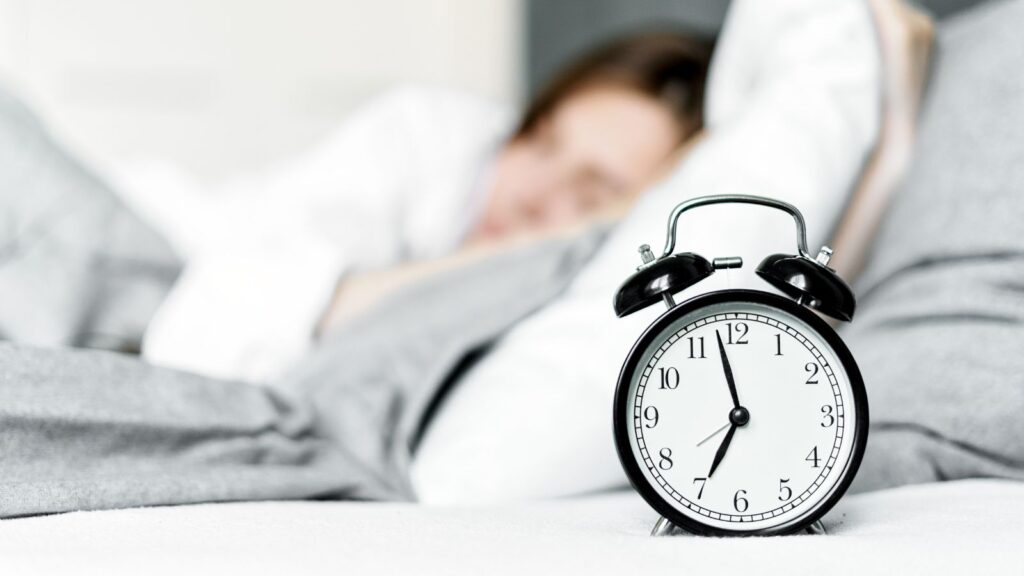
The first mechanical alarm clock dates back to 1787, but most people now have a phone sitting beside the bed that can handle the same job.
An old alarm clock may still be useful if you like having a dedicated clock, but there’s little reason to keep several of them. If yours no longer works, has a damaged cord, or has been sitting unused for years, it is taking up nightstand space for no reason.
Working clocks can be donated. Broken electronic models should go through an appropriate e-waste collection program rather than the regular trash when possible.
The Wicker Chair
Wicker furniture has a light, casual look, but older pieces can become brittle. Strands may fray, splinter, or loosen after years of use.
A damaged wicker chair can also become uncomfortable or unstable. If you’re keeping one mainly because you don’t know what else to do with it, it’s probably time to clear the space.
A sturdy wood or metal chair can offer better long-term use. Add a cushion if you want a softer seat.
Random Plastic Containers Used as Garbage Cans
An empty bucket or random plastic container can work as a temporary trash bin, but makeshift garbage cans often lack the features that make a real bin convenient.
They may have no lid, awkward handles, or a shape that makes it difficult to use a trash bag properly. A collection of mismatched containers can also make an apartment look more cluttered.
Replace the ones you don’t need with properly sized bins. Reuse suitable plastic containers for another purpose or recycle them according to local rules.
Kitchen Sink Mats
Sink mats spend most of their time around water, food scraps, soap, and grease. If they aren’t cleaned and dried regularly, they can become a dirty place for bacteria and mold to build up.
Older rubber or plastic mats can also become stained, brittle, or difficult to clean.
If yours has started smelling, cracking, or staying wet underneath, get rid of it. A simple drying rack or a removable sink liner that is easy to wash may work better for your kitchen.
Artificial Plants
Artificial plants are easy to forget about because they don’t need watering. They still need cleaning, though, and dusty leaves can make an old faux plant look more tired than decorative.
Some artificial plants also fade or become brittle after years of exposure to sunlight. Once the leaves start looking worn, keeping them around may add more clutter than decoration.
Hey Horti’s discussion of artificial plants notes several drawbacks associated with faux greenery.
If you want greenery without a lot of work, choose a houseplant that fits your lighting and watering habits. Donate artificial plants that are still in good condition, or check whether their materials can be recycled locally.
Old Computer Swivel Chairs
An old office chair can hang around for years because it seems useful, even after the padding has flattened and the wheels barely work.
Worn upholstery, broken armrests, loose hardware, and poor support are good reasons to replace an aging chair. A chair that no longer provides comfortable support can also make long hours at a desk unpleasant.
Chair Desk Expert’s guide to common swivel-chair problems covers several issues that can develop with older swivel chairs.
If the chair has reached the end of its useful life, look for local furniture or office-equipment recycling options instead of leaving it in a corner indefinitely.
Old Chandeliers
A large chandelier can be beautiful in the right room, but an oversized fixture can overwhelm a small apartment. Some older fixtures are also heavy, difficult to clean, and expensive to operate if they use inefficient bulbs.
If you’ve moved into a space with a chandelier that no longer fits the room, replacing it with a smaller pendant or modern ceiling fixture can free up visual space.
Before disposing of an old light fixture, check whether it can be donated, sold, or reused. Fixtures in poor condition should be handled according to local electrical and waste-disposal rules.
Ferns
Ferns can make a room feel lush and green, but many varieties need regular watering and higher humidity to stay healthy. That can be difficult to maintain in an apartment, especially if your schedule doesn’t leave much time for plant care.
The Brooklyn Botanic Garden’s guide to caring for ferns as houseplants explains the care many ferns need indoors.
If your fern is constantly brown, dropping leaves, or struggling despite your efforts, it may be a sign that the plant isn’t a good fit for your home. Give healthy plants to a friend or local plant group when possible. A hardy plant such as a snake plant or another low-care variety may be a better match for your space.
Decluttering doesn’t mean throwing away everything that isn’t new or trendy. The goal is to make room for the things you actually use and enjoy. If something is broken, neglected, uncomfortable, or taking up valuable space without serving a purpose, it may be time to let it go.