Walking through Grandma’s house can feel like stepping into another era. Old furniture, dusty boxes, dishes, books, and decorations often carry years of family memories. But some of those things may be worth far more than their sentimental value.
According to Grand View Research, the global collectibles market was valued at USD 294.23 billion in 2023 and is projected to grow at a CAGR of 5.5% from 2024 to 2030. That growing market gives old household items a fresh look, especially pieces that were once considered ordinary.
Before clearing out an attic, basement, or spare room, take a closer look. Some seemingly outdated belongings could have real value. Here are 17 items worth checking before they end up in a donation box or garage sale.
Handmade Furniture
Old handmade furniture can be worth a lot, particularly pieces made by well-known craftsmen or during periods when furniture makers were known for high-quality construction. Unlike mass-produced furniture, older handmade pieces may feature hand-cut details, unusual wood, and construction methods that are harder to find today.
A 19th-century mahogany Chippendale piece, for example, can sell for thousands of dollars at auction. Scratches and worn finishes don’t always mean a piece is worthless, so resist the urge to sand or refinish an old piece before finding out what you have.
Look underneath drawers, inside cabinets, and along the back for stamps, labels, signatures, or maker’s marks. Names such as Thomas Sheraton or Gustav Stickley can make a piece much more interesting to collectors.
Related: 15 Hidden Ingredients That Made Grandma’s Meatloaf a Classic
Vinyl Records
That dusty box of records sitting in a closet could contain something collectors would love to own. Albums from The Beatles, Pink Floyd, Elvis Presley, and other major artists can be worth money when they are rare or in excellent condition.
First pressings, limited releases, unusual versions, and printing mistakes can all attract collectors. A highly desirable copy of The Beatles’ White Album, for instance, has sold for more than $10,000.
Storage makes a huge difference. Records kept in damp basements can warp, while heat and sunlight can damage both the vinyl and its cover. Check the catalog number, pressing information, condition, and original packaging before assuming an old record is just an old record.
Murano Glass Vases
Murano glass from the Venetian island of Murano has been collected for generations. Its colorful designs and specialized glassmaking techniques can make certain pieces highly desirable.
Look for details associated with techniques such as millefiori and filigree, along with signatures, labels, or other marks connected to known makers. Mid-century pieces by artists such as Archimede Seguso have sold for thousands of dollars.
Be careful with pieces that appear too perfect or lack any identifying information. Reproductions exist, and determining whether a vase is authentic can require help from a specialist. A genuine piece with documented history can be far more valuable than a similar-looking reproduction.
Related: 14 Vintage Sewing Items Grandma Owned That Are Now Worth Serious Money
Folk Art
Folk art can tell a story about a particular community, region, or period. Paintings, carvings, quilts, weather vanes, and other handmade pieces can attract collectors when they have unusual designs or a well-documented history.
Some folk-art pieces have sold for extraordinary amounts. A 19th-century carved wooden weather vane, for example, once sold for more than $800,000 at auction.
Look closely for signatures, inscriptions, dates, and markings. These small details can provide clues about where a piece came from and who made it. Keep old artwork away from damp areas and direct sunlight, since moisture and fading can cause lasting damage.
Oil Paintings
An old painting hanging over the sofa could be worth more than anyone in the family realizes. Works by well-known artists can command high prices, but paintings by regional artists can also attract collectors.
Unsigned paintings shouldn’t automatically be dismissed. Some works gain value because of their age, subject, school, or connection to a particular artistic period. Paintings associated with movements such as the Hudson River School are examples.
Look for the artist’s signature, labels on the back, gallery stamps, and old exhibition information. Cracks, discoloration, and other signs of age don’t automatically make a painting worthless. Before cleaning or restoring an old painting, have it evaluated by someone familiar with fine art.
Related: 20 Forgotten Household Chores from Grandma’s Era That We Rarely Do Anymore
Pianos
An old piano can take up a lot of space, which makes it tempting to get rid of it during a house cleanout. Before doing that, check the maker and serial number.
Pianos from respected manufacturers such as Steinway & Sons or Bösendorfer can have considerable value, particularly older grands in good condition. Some restored 19th-century Steinway grands have sold for more than $100,000.
Humidity, temperature changes, warped wood, and damaged strings can all affect a piano’s condition. The serial number can help establish its age and history. Even a piano that needs major work may interest collectors, musicians, or interior designers.
Opaline Vases
Opaline glass became popular during the 19th century, especially in France. These pieces often have a soft, milky appearance and may feature colorful glass, gilt decoration, or enamel details.
Turquoise, pink, and other less common colors can attract collectors. Pairs of rare opaline vases have sold for more than $20,000 at auction.
Check for decorative details, age, condition, and any information about where the vase came from. Family records, old receipts, or photographs showing the piece in the home can also help establish its history.
Keep opaline glass away from direct sunlight, which can cause certain colors to fade over time.
Related: 13 Things You Might Sell at a Garage Sale for Far Less Than They’re Worth
Tortoiseshell Boxes
Tortoiseshell boxes were fashionable during the Georgian and Victorian periods. Some were decorated with metal, ivory, or other materials, giving them an ornate appearance.
Older tortoiseshell pieces can attract collectors today, partly because international restrictions now protect the sea turtles and land turtles associated with the material. This makes the age and provenance of an antique piece especially important.
A Georgian tortoiseshell tea caddy, for example, can sell for several thousand dollars depending on its condition, workmanship, and history.
Don’t polish or alter an old box before having it checked. Heat and direct sunlight can also cause the material to warp or change color.
Quilts
That handmade quilt folded away in a closet may have more than sentimental value. Older quilts can interest collectors because of their patterns, stitching, materials, maker, and connection to a particular community.
Quilts made before 1940 can be especially interesting, while pieces associated with groups such as the Amish or Gee’s Bend have sold for tens of thousands of dollars.
Look for signatures, dates, unusual patterns, and handwritten notes that might reveal who made the quilt. Avoid putting an antique quilt through a washing machine. Delicate fabric and old stitching can be badly damaged by regular washing.
For long-term storage, acid-free tissue paper and a cool, dry environment are safer choices. Avoid folding the same section over and over because repeated creases can weaken the fabric.
Dinnerware
The china cabinet may hold more than dishes for holiday dinners. Older dinnerware from respected manufacturers such as Wedgwood, Royal Doulton, and Limoges can attract collectors.
Certain patterns are much harder to find than others. Wedgwood’s Fairyland Lustre, for example, has produced pieces that have sold for more than $10,000.
Turn plates, cups, and serving pieces over and look for maker’s marks. These can help identify the manufacturer, pattern, and approximate age.
Keep valuable pieces away from dishwashers, which can wear down decoration and finishes. Padded storage is a safer choice for pieces that rarely get used.
Stained Glass Lamps
A stained glass lamp may look like an ordinary old light fixture until you discover who made it. Tiffany Studios lamps are among the most famous examples, with authentic pieces selling for enormous sums.
Some Tiffany lamps have sold for more than $1 million, though the market value of any particular lamp depends on its design, condition, provenance, and authenticity.
Look for markings associated with Tiffany Studios New York, but don’t rely on a single mark to prove authenticity. Copies and reproductions are common. Construction details, materials, glass, soldering, and the lamp’s history all matter.
If you suspect you have an authentic antique lamp, avoid making repairs or alterations until a qualified specialist has examined it.
Posters
Old posters can be easy to overlook because they were originally made for advertising rather than long-term collecting. Travel advertisements, movie posters, product advertisements, and theatrical posters from the late 19th and early 20th centuries can now be highly collectible.
An original Art Nouveau poster by Alphonse Mucha, for example, can command tens of thousands of dollars. Rare movie posters can also bring impressive prices.
Look for famous artists, limited print runs, unusual subjects, and original printing details. Moisture, sunlight, and improper framing can cause fading, mold, and tears.
If an old poster looks promising, store it flat in archival materials or use UV-protective framing rather than leaving it exposed to sunlight.
Persian Rugs
An old Persian rug can be far more valuable than it looks at first glance. Handwoven rugs are judged by factors such as age, materials, origin, knotting, design, condition, and size.
Older silk rugs from places such as Qum can sell for $30,000 or more. Natural-dye color variations, hand-tied fringes, and fine knotting can provide clues about a rug’s age and construction.
Documentation can also matter. An old receipt, appraisal, ownership record, or information about where the rug was purchased may help establish its history.
Before cleaning an older Persian rug, have it inspected by someone who works with antique textiles. The wrong cleaning method can cause permanent damage.
Light Sculptures
Some vintage light fixtures are more than household decorations. They are works of art. Mid-century pieces by artists such as Isamu Noguchi and Ingo Maurer can attract collectors and design enthusiasts.
Noguchi’s Akari light sculptures are a well-known example. Certain rare models can sell for thousands of dollars.
If you find an old light sculpture, look for labels, signatures, model information, and original documentation. Keep delicate materials away from excessive heat and humidity, and use a soft, dry cloth for light dusting.
Books
A shelf full of old books can contain a surprising find. First editions, signed copies, rare printings, and books with historical importance can be valuable to collectors.
A first edition of J.K. Rowling’s Harry Potter and the Philosopher’s Stone has sold for more than $400,000, while rare historic books such as the Bay Psalm Book have reached prices in the millions.
Check the title page, copyright page, publication information, signatures, inscriptions, and bookplates. Condition matters, too.
Keep old books away from damp basements, attics with temperature swings, and direct sunlight. Moisture can encourage mold, while prolonged exposure to light can fade covers and pages.
Ceramics
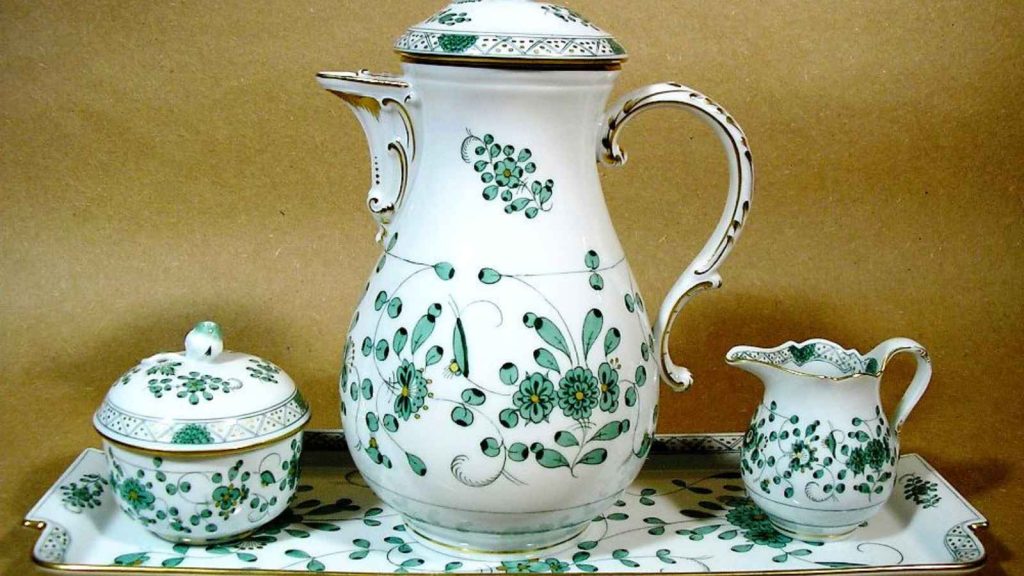
Old ceramics from respected makers can be worth checking before they are packed away or donated. Names such as Meissen, Rosenthal, and Staffordshire are familiar to collectors.
Rare designs, limited pieces, unusual colors, artist signatures, and early examples can all increase interest. Some Meissen figurines, for instance, have sold for tens of thousands of dollars.
Inspect each piece carefully for chips, cracks, repairs, and missing parts. A tiny flaw can make a major difference in value.
Look underneath each piece for maker’s marks, numbers, signatures, or other identifying details. These marks can help establish who made it and when.
Mirrors and Antique Armoires
An old mirror or large wooden armoire can seem like an awkward piece of furniture that has simply been sitting around for decades. In some cases, it may be a valuable antique.
Giltwood mirrors from the 18th century and hand-carved French armoires can sell for tens of thousands of dollars, depending on age, workmanship, condition, and provenance.
Old mirrors may show foxing, which appears as dark spots or cloudy areas on the reflective surface. That kind of aging can be part of an antique’s appeal.
Be careful with cleaning products. Ammonia-based cleaners can damage old finishes and gilding. Before making repairs, stripping paint, or replacing hardware, find out what the piece is worth. A little caution can keep a potentially valuable family heirloom from losing much of its value.