Your roof takes a beating year after year. Sun, rain, wind, storms, falling branches, and temperature changes can slowly wear it down. The tricky part is that roof damage often starts small and stays out of sight until it becomes a much bigger repair.
You don’t have to climb onto the roof every weekend to keep an eye on it. There are plenty of clues you can spot from the ground or inside your house. Paying attention to those warning signs can help you catch problems earlier and avoid more expensive damage later.
Here are 12 signs that your roof may need some attention.
Missing or Damaged Shingles
Your shingles take the brunt of the weather, so they’re one of the first places to look for trouble. Missing, cracked, curled, or broken shingles can happen after a storm, from falling branches, or simply from years of wear.
A few damaged shingles don’t always mean you need an entirely new roof. A roofer can inspect the area and determine whether a small repair is enough or if there’s a larger problem underneath.
Related: 12 Signs Your Home Needs New Insulation
A Sagging Roof
A roof that appears to sag is something you shouldn’t ignore. A dip or low spot can point to trapped moisture, damaged decking, structural problems, or another issue that needs professional attention.
Take a look at your roofline from the street or your yard. If part of it appears noticeably lower than the rest, have it checked as soon as possible. A sagging section can get worse over time and may eventually become a serious structural concern.
Water Stains on Walls or Ceilings
Brown or yellow stains on your ceiling are often one of the first clues that water is getting into your house. According to JP Roofing, water stains on walls and ceilings can point to a roof leak.
The source isn’t always directly above the stain, either. Water can travel along roof decking, insulation, and framing before making its way into your ceiling.
If you notice a new stain, don’t just paint over it. Have the source checked before the moisture causes more damage or creates an environment where mold can grow.
Related: 12 Signs You’re Holding Onto the Wrong Relationship
Clogged or Overflowing Gutters
Your gutters help move rainwater away from your roof and foundation. When they’re packed with leaves, dirt, and other debris, water can back up and spill over the sides.
According to GuardCover, regular gutter cleaning helps keep water flowing through the drainage system properly.
After heavy rain, take a look at your gutters. Water pouring over the sides, sagging sections, or pools of water around the foundation can all point to drainage problems. Keeping gutters clear is a fairly simple maintenance task that can prevent bigger headaches.
Granules Collecting in the Gutters
If you have an asphalt-shingle roof, those tiny gritty particles on your shingles serve a purpose. They help protect the shingles from sunlight and weather.
As shingles age, they can start losing those granules. Finding a small amount in your gutters isn’t necessarily cause for alarm, but a large amount of granules collecting around downspouts or on the ground may indicate that the shingles are wearing out.
If the roof is already several years old, a noticeable increase in granule loss is a good reason to have it inspected.
Peeling or Bubbling Paint
Paint that’s peeling, bubbling, or blistering near the roofline can be more than a cosmetic problem. Moisture trapped behind the paint can cause these changes, and one possible source is a roof or flashing leak.
Look closely at exterior walls around the roofline, particularly after periods of heavy rain. If the same area keeps peeling after you’ve repainted it, there’s probably an underlying moisture problem that needs to be found first.
Related: 17 Clear Signs You Can’t Trust Your Boss
Daylight Coming Through the Roof
A little daylight coming through an attic vent or an intentional opening is normal. Light coming through gaps where the roof should be sealed is another story.
If you can see sunlight through holes, cracks, or spaces in the roofing from inside your attic, there may be missing shingles, damaged decking, or deteriorated roofing materials.
While you’re in the attic, check for damp insulation, water stains, or darkened wood too. These clues can help show whether water has already made its way inside.
Unusually High Energy Bills
Your roof and attic insulation play a role in keeping indoor temperatures comfortable. If your heating or cooling costs suddenly climb without a clear reason, the roof or attic may be worth checking.
A spike in energy costs can have plenty of other causes, from an aging HVAC system to changes in weather or electricity rates, so it isn’t proof that your roof is the problem. Still, if higher bills show up alongside poor attic insulation, drafts, or other roof issues, an inspection can help identify what’s going on.
Cracks Around the Chimney
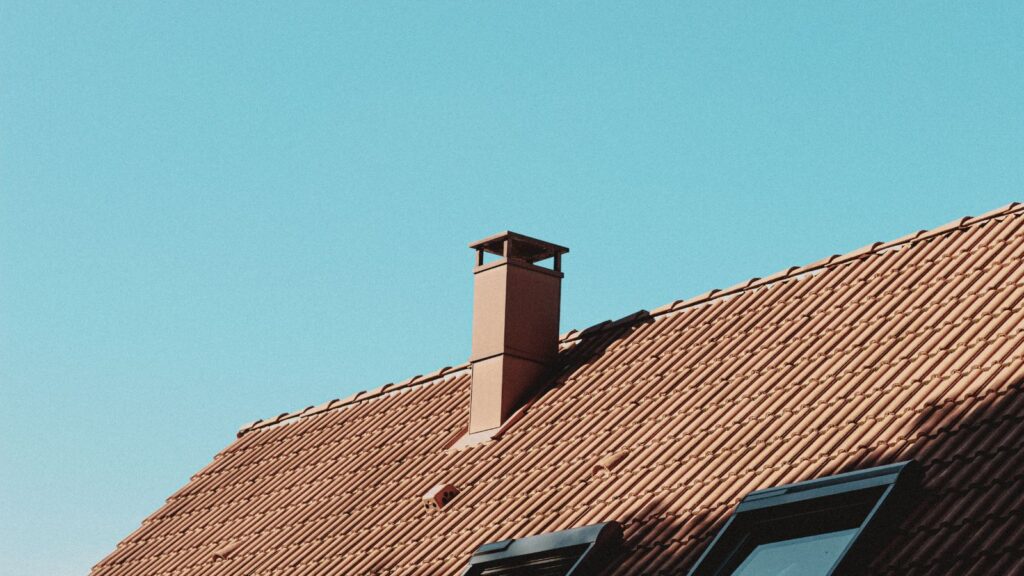
Chimneys are exposed to the same weather as the rest of the roof and can develop cracks or gaps over time. Damaged mortar, cracked masonry, or deteriorating flashing around the chimney can allow water to get inside.
Take a look at the area where the chimney meets the roof. Cracks or visible gaps there deserve attention, particularly if you’ve also noticed water stains or damp spots inside the house.
A Musty Smell in the Attic or Upstairs Rooms
A musty smell can be a clue that moisture is getting where it shouldn’t. A roof leak can leave insulation, wood, drywall, or other materials damp for long periods, creating conditions where mold and mildew can grow.
If you notice a persistent musty odor after rain, check the attic and nearby ceilings for moisture or staining. Don’t rely on air fresheners to cover the smell. Finding and fixing the source is what matters.
Related: 12 Signs Your Basement Might Be a Bat Hangout
An Aging Roof
Every roof has a limited service life, and its age matters when you’re deciding how closely to monitor it. The exact lifespan depends on the roofing material, installation, climate, maintenance, and weather exposure.
Older asphalt-shingle roofs may start showing several warning signs at once, including curling shingles, cracking, bald spots, and areas that look worn down.
If your roof is getting older and you’re already making frequent repairs, ask a roofing professional whether continued repairs make sense or if replacement should be planned.
More Pests Getting Into the House
A damaged roof can create openings that rodents, birds, insects, and other pests can use to get inside. Gaps around roof edges, vents, chimneys, and damaged sections can provide an easy entry point.
If you suddenly notice more pest activity in your attic or upper floors, check for possible openings. Look for droppings, nesting material, chewed areas, or holes around the roof and attic.
Sealing an entry point can help, but it’s also worth finding out why the opening appeared in the first place. A damaged roof section may need repair before the problem turns into something bigger.
Don’t Wait for a Major Leak
Roof problems rarely become easier or cheaper after they’ve been ignored for months. A missing shingle, clogged gutter, small stain, or damaged flashing may be manageable when caught early, while the same issue can lead to soaked insulation, damaged wood, mold, or interior repairs if water keeps getting in.
You don’t need to diagnose the problem yourself. If something looks unusual, have a qualified roofing professional take a closer look. Catching a problem early can save you from dealing with a much larger repair later.