Your wallet goes almost everywhere with you, so it’s easy to fill it with far more than you actually need. Between payment cards, receipts, rewards cards, and random papers, it doesn’t take long before it becomes overstuffed. The extra bulk is annoying, but it can also create bigger problems if your wallet is ever lost or stolen.
Keeping only the items you truly need makes your wallet easier to manage and helps protect your personal information. Here are 13 things that are better left at home.
Social Security Card
Your Social Security card is one of the last things you should carry every day. If your wallet is stolen, a thief could use your Social Security number to open accounts, apply for loans, or commit other forms of identity fraud.
Store your Social Security card in a secure place at home and only carry it if you know you’ll need it for a specific reason.
Related: 17 Things Minimalists Never Keep Around the House
Multiple Credit Cards
Carrying one or two credit cards is usually enough for daily purchases. Filling your wallet with every card you own increases the risk of financial headaches if your wallet goes missing.
Leaving extra cards at home also makes it easier to keep track of your spending and quickly notice if a card has disappeared.
Birth Certificate
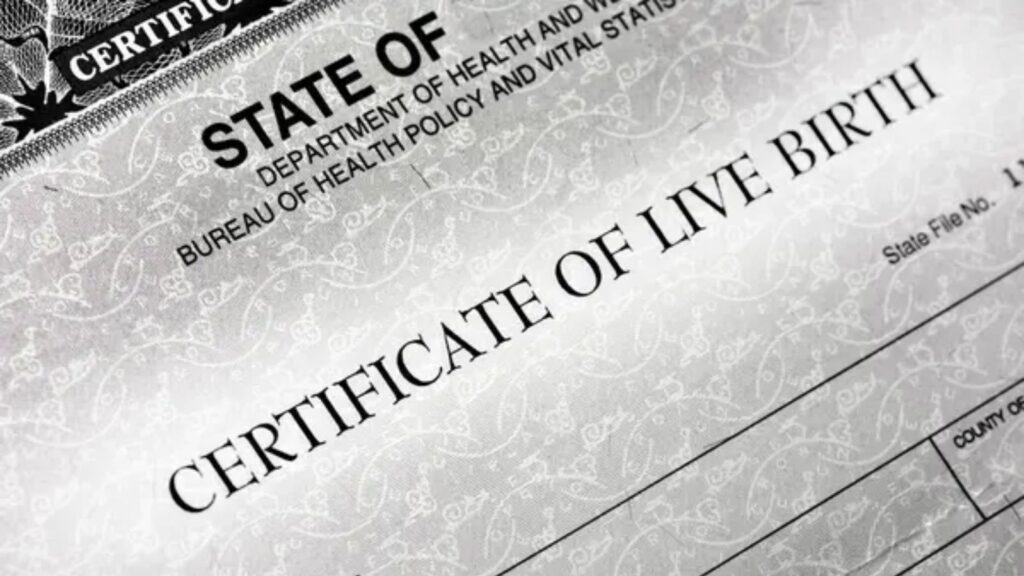
A birth certificate contains personal details that identity thieves look for. There’s rarely a reason to carry the original document with you during everyday errands.
Keep it in a secure location, such as a home safe or locked filing cabinet, where it’s protected until you need it.
Spare House Key
Tucking a spare key inside your wallet might seem like a smart backup plan, but it can create another problem. If someone steals your wallet and your driver’s license lists your home address, they may have everything they need to get inside your house.
A safer choice is to leave a spare key with a trusted friend, family member, or neighbor.
Related: 17 Things Millennials Stopped Buying—and They’re Disappearing Fast
Password List
Writing passwords on a piece of paper may sound like an easy backup, but it’s one of the least secure places to store them.
If your wallet falls into the wrong hands, someone could gain access to your email, bank accounts, shopping sites, and other personal accounts. A trusted password manager offers much better protection.
Passport
A passport contains valuable personal information and is one of the most difficult documents to replace if it’s lost.
Unless you’re traveling internationally or need it for identification that day, leave your passport in a secure place at home.
Receipts With Personal Information
Receipts pile up quickly, making your wallet thicker than it needs to be. Some receipts also include the last few digits of your payment card, your signature, or other personal details.
Keep only the receipts you still need for returns or expense tracking, then shred or recycle the rest.
Related: 16 Things People Over 60 Can Stop Spending Money On
Large Amounts of Cash
Carrying a little cash is useful, especially where cards aren’t accepted. Carrying hundreds of dollars is another story.
Cash can’t usually be recovered if your wallet is lost or stolen. Bringing only what you expect to spend that day reduces the risk of losing a large amount of money.
Blank Checks
Blank checks contain your bank account and routing numbers, making them valuable to criminals.
Unless you’re planning to write a check that day, leave your checkbook at home. There’s little reason to carry blank checks during your daily routine.
Gift Cards and Vouchers
Gift cards are just like cash. If they’re lost or stolen, recovering the balance can be difficult or impossible.
Carry only the gift cards you plan to use that day and store the rest somewhere safe until you need them.
Related: 15 Common Things You Should Be Recycling Instead of Throwing Away
Business Cards
Collecting stacks of business cards in your wallet creates unnecessary clutter. Many of them end up sitting there long after you’ve forgotten who they belong to.
Save the contact information digitally or keep only the cards you’re likely to use in the near future.
Membership and Loyalty Cards
Many stores, gyms, and restaurants now offer digital loyalty cards through their apps. Carrying every physical rewards card adds extra bulk without much benefit.
Keep only the cards you use regularly and switch to digital versions whenever they’re available.
Old Hotel Key Cards
Hotel key cards often stay in wallets long after a trip ends. While most cards stop working after checkout, there’s little reason to keep them.
Throw them away or return them to the hotel before you leave. Clearing them out also gives you one less thing taking up space in your wallet.
A slimmer wallet is easier to carry, and it also lowers the chance of losing valuable documents or exposing personal information. A quick cleanout every few months can help you keep only what you actually need while leaving everything else safely at home.