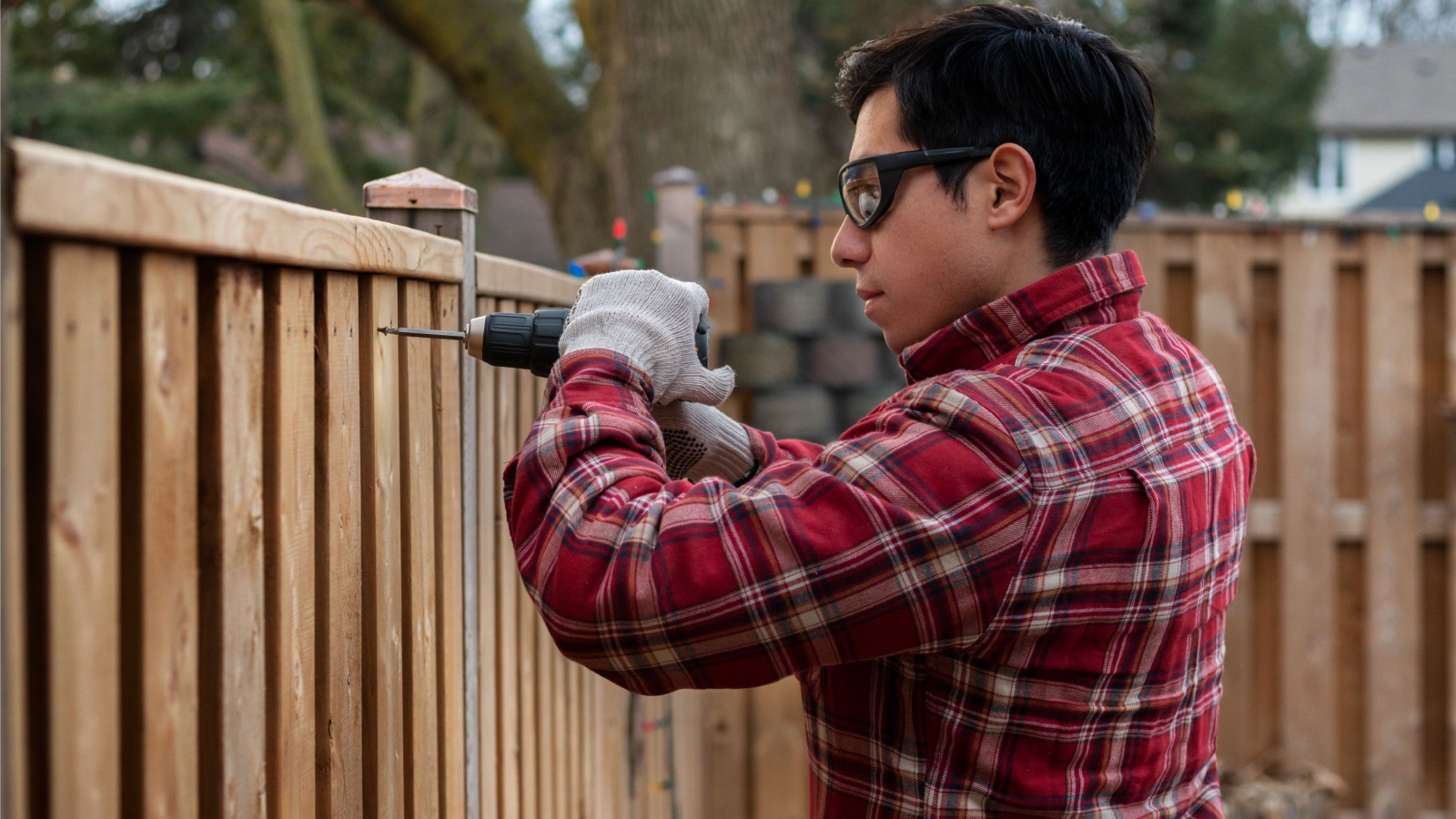
Buying a fixer-upper can seem like the perfect way to get more house for your money. It’s easy to picture fresh paint, updated rooms, and a home that reflects your personal style. The lower price tag is often appealing, especially for buyers willing to put in some work.
Still, the reality isn’t always as straightforward as it looks. Renovation projects often uncover hidden problems, unexpected expenses, and delays that can test your patience. Before making an offer, it’s worth taking a close look at what you’re signing up for. Here are 10 things to think about before buying a fixer-upper.
Budget Overruns
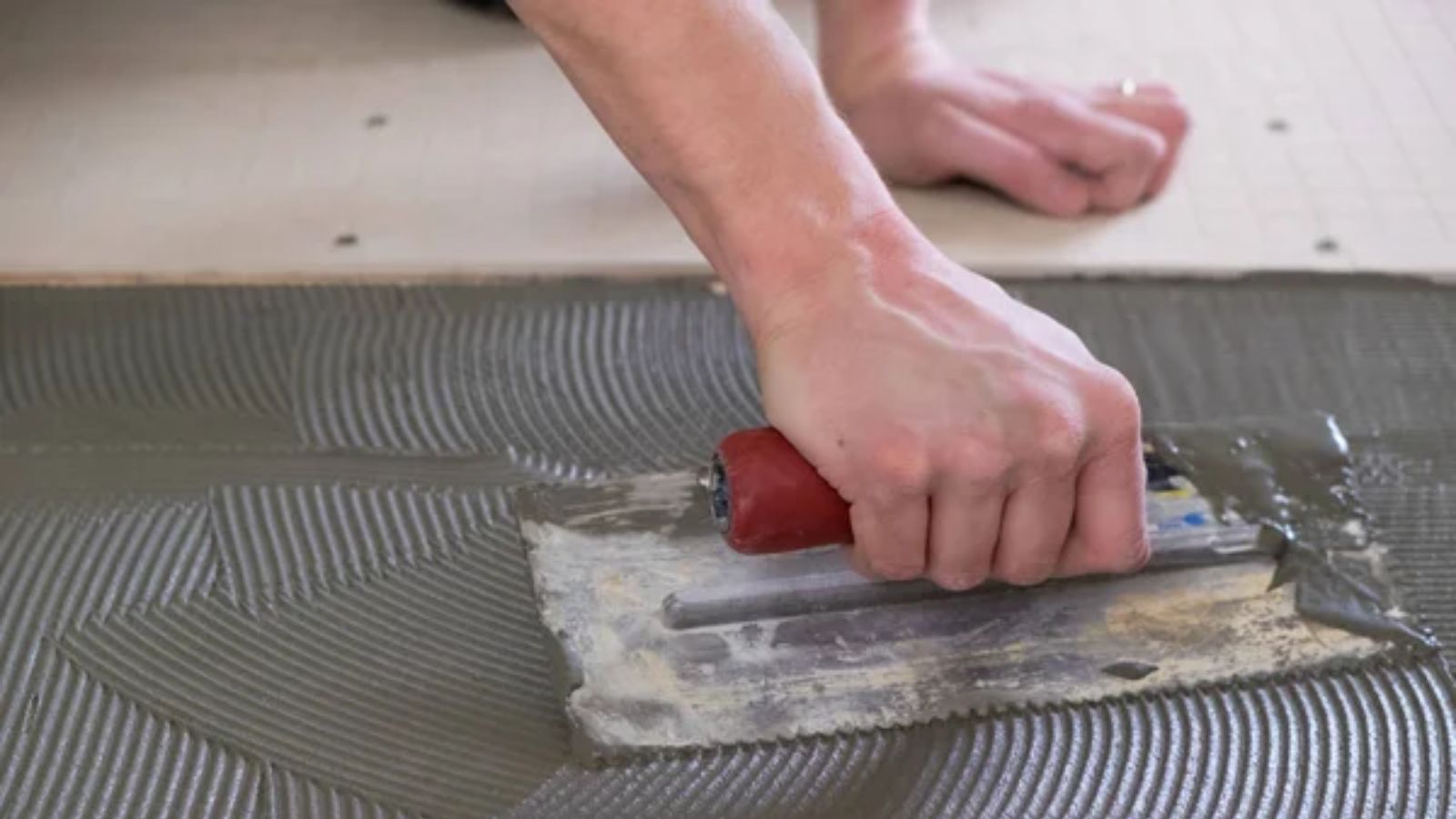
One of the biggest surprises for many homeowners is how quickly renovation costs can climb. Hidden water damage, outdated wiring, plumbing problems, or structural repairs can add thousands to your budget before you’ve even started the upgrades you planned.
Set aside an emergency fund of at least 10% to 20% of your renovation budget. That extra cushion can help cover unexpected repairs without putting unnecessary strain on your finances.
Scope of Work
Not every fixer-upper needs the same level of work. Some homes only require cosmetic updates like paint, flooring, or new fixtures. Others may need foundation repairs, roof replacement, electrical upgrades, or plumbing work.
A professional home inspection can help you understand exactly what needs attention and whether the project matches your budget and skill level.
Time Commitment
Home renovations almost always take longer than expected. Waiting for permits, scheduling contractors, delayed material deliveries, and unexpected repairs can stretch a project from weeks into several months.
Think honestly about how much time you can devote to the renovation. If you can’t oversee the work yourself, hiring an experienced project manager may be worth the added expense.
Impact on Daily Life
Living in a construction zone isn’t easy. Dust, noise, limited access to kitchens or bathrooms, and constant disruptions can make everyday routines difficult.
Before buying, decide whether you’re comfortable living through the renovation or if you’ll need to stay somewhere else until the work is finished. Temporary housing can become another expense to include in your budget.
Resale Value
Not every renovation adds equal value to a home. Some projects recover much of their cost, while others offer very little return when it’s time to sell.
Spend some time researching local home values and buyer preferences. Focusing on improvements that are popular in your area can help protect your investment.
Permits and Building Codes
Many renovation projects require permits and inspections to meet local building codes. Skipping this step may save time upfront, but it can create expensive problems later.
Unpermitted work can delay a future sale, lower the home’s value, or even require completed work to be removed and redone.
Contractor Reliability
The people you hire can make or break your renovation. A dependable contractor communicates clearly, sticks to realistic timelines, and produces quality work.
Take time to compare several contractors, read reviews, ask for references, and get written estimates before making your decision. Rushing the hiring process often leads to bigger headaches later.
Future Maintenance
Renovations don’t end once the last coat of paint dries. The quality of the work and the materials you choose will affect how much maintenance your home needs in the years ahead.
Choosing durable materials and experienced professionals may cost more upfront, but it can save money on repairs and replacements later.
Neighborhood Dynamics
Even a beautifully renovated home is affected by its surroundings. Local schools, nearby businesses, future development plans, and neighborhood property values all influence your home’s long-term value.
Research recent home sales and market trends before buying. Spending heavily on renovations may not pay off if surrounding home values remain low.
Emotional Investment
Renovating a home can be exciting, but it can also become stressful. You’ll make countless decisions, solve unexpected problems, and deal with delays that are often outside your control.
Going into the project with realistic expectations makes the process much easier. Patience, flexibility, and a well-planned budget can help you handle the inevitable surprises while keeping your long-term goals in sight.