Every generation grows up in a different world. Older adults learned many everyday skills long before smartphones, GPS, online banking, and YouTube tutorials became part of daily life. Younger generations have their own strengths, especially with technology and adapting to change, but there are still plenty of areas where experience makes a real difference.
Many of the habits older generations developed came from necessity. They fixed things instead of replacing them, cooked with what they had, and learned to make their money stretch. While times have changed, many of those skills are still just as useful today.
Here are 23 things older generations often do especially well.

Managing Money Carefully
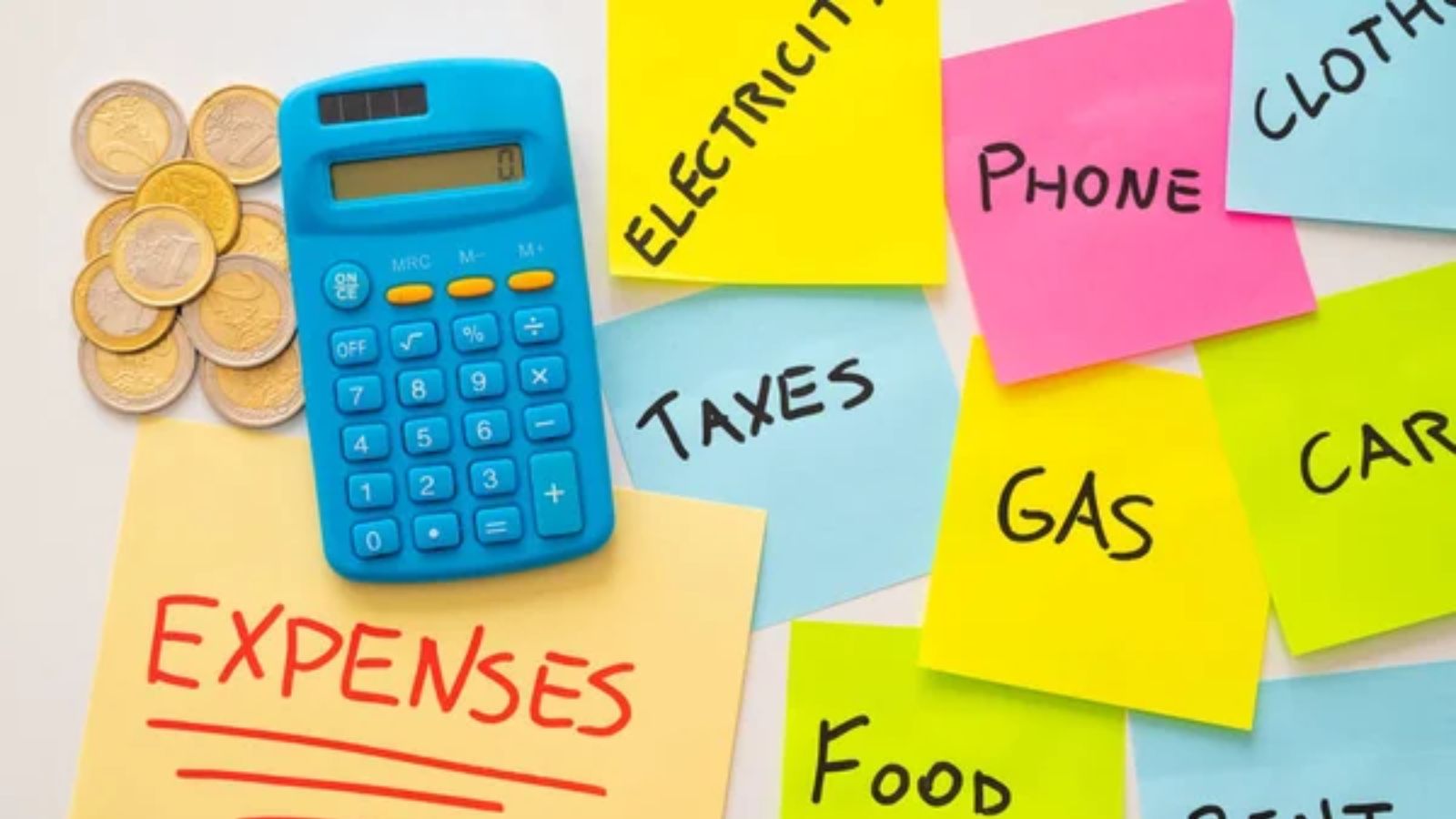
Many older adults grew up during periods when every dollar mattered. Saving money wasn’t just a goal, it was part of everyday life.
They often think twice before making large purchases, avoid unnecessary debt, and plan for the future instead of focusing only on the present. Those habits have helped many build long-term financial stability.
Cooking From Scratch
Long before meal kits and frozen dinners filled grocery stores, cooking meant starting with basic ingredients.
Many older cooks can prepare satisfying meals without relying on boxed mixes or complicated recipes. They also know how to stretch ingredients, reduce waste, and make leftovers taste just as good the next day.
Maintaining Long-Term Relationships
Whether it’s a decades-long marriage or lifelong friendships, many older adults have experience working through disagreements instead of walking away.
They often place a high value on commitment, patience, and communication. Relationships still require effort today, but those lessons remain valuable regardless of age.
Fixing Things Around the House
Many older homeowners learned basic repair skills because hiring someone for every repair simply wasn’t practical.
Changing a faucet, patching drywall, replacing a light fixture, or fixing a squeaky door are tasks many of them handle without much hesitation. Those skills can save both money and time.
Handwriting Clearly
With keyboards replacing pens for much of daily communication, neat handwriting has become less common.
Older generations spent years practicing penmanship in school, and many still write clearly enough that anyone can read it. While cursive isn’t used as often today, it’s a skill many continue to use with ease.
Talking Face to Face
Text messages are convenient, but they don’t replace a real conversation.
Many older adults feel comfortable speaking with people in person, making eye contact, listening without distractions, and picking up on body language. Those skills often help during difficult conversations and personal relationships.
Reading Printed Books
Many people still enjoy e-books, but older readers often prefer holding a physical book in their hands.
Without notifications or screen distractions, reading on paper can make it easier to stay focused. Many readers also enjoy being able to flip through pages and return to favorite passages.
Sewing and Crafting
Sewing a loose button, repairing a torn shirt, knitting a blanket, or making homemade decorations are skills many older adults learned growing up.
Instead of replacing something that’s worn out, they often know how to repair it. Those practical hobbies also provide a creative outlet that many people still enjoy.
Basic Car Maintenance
Older vehicles were often simple enough for owners to perform routine maintenance themselves.
Many older drivers still know how to change a tire, check fluids, replace windshield wipers, or perform an oil change. Even if modern cars are more complicated, having basic mechanical knowledge can still be useful.
Finding Their Way Without GPS
Before navigation apps became standard, people relied on road maps, written directions, landmarks, and memory.
Many older adults became skilled at remembering routes and figuring out alternate ways to reach a destination if they got lost. Those skills still come in handy when technology isn’t available.
Writing Letters and Cards
Receiving a handwritten letter or birthday card feels different from getting a quick text message.
Many older adults still enjoy sending thank-you notes, holiday cards, or personal letters because they feel more thoughtful and lasting than digital messages.
Welcoming Guests
Inviting people into their home has long been something many older adults take pride in.
Whether serving a home-cooked meal or making sure visitors feel comfortable, hospitality often comes naturally. Small details, like setting the table or preparing favorite foods, help make guests feel appreciated.
Using Cash and Keeping Track of Spending
Many older adults still like using cash for everyday purchases because it makes spending feel more tangible.
They also grew up balancing checkbooks and recording transactions by hand, which gave them a close understanding of where their money was going. While mobile banking has made things more convenient, those habits can still help people stick to a budget.
Preserving Food
Canning tomatoes, making jam, pickling vegetables, or freezing seasonal produce used to be common household skills.
Many older generations learned how to preserve food to save money and avoid waste. Those methods are still useful for anyone who enjoys gardening or likes keeping a well-stocked pantry.
Sending Thank-You Notes
A handwritten thank-you note may seem old-fashioned, but it leaves a lasting impression.
Many older adults still believe that taking a few minutes to write a personal message shows gratitude in a way that a quick text or email often doesn’t. It’s a small gesture that people tend to remember.
Using Hand Tools
Many older adults learned early how to safely use common tools around the house.
Whether it’s a hammer, handsaw, drill, or measuring tape, they’re often comfortable handling small projects without needing to hire someone. Those practical skills build confidence and can save a considerable amount of money over time.
Being Patient
Older generations often grew up in a time when many things simply took longer.
Whether saving for a large purchase, waiting for film to be developed, or ordering something through the mail, patience was part of daily life. That mindset can make it easier to think through decisions instead of expecting instant results.
Playing Board Games
Long before smartphones and streaming services, families often gathered around the table for board games and card games.
Games like Monopoly, Scrabble, chess, and checkers weren’t just entertainment. They encouraged conversation, friendly competition, and spending time together without screens getting in the way.
Gardening
Many older adults know how to grow vegetables, herbs, flowers, and fruit with years of hands-on experience.
Gardening takes planning, patience, and regular care, but it also provides fresh food and a rewarding hobby. It’s one of those skills that never really goes out of style.
Writing in Cursive
While many schools now spend less time teaching cursive, plenty of older adults still write it naturally.
Being able to read old letters, family documents, historical records, or handwritten recipes is another reason the skill continues to have value, even if it’s no longer used every day.
Remembering Phone Numbers
Before smartphones stored every contact, people memorized the numbers they called most often.
Many older adults can still recall family phone numbers from decades ago without thinking twice. Younger generations rarely need to memorize numbers because their phones do it automatically.
Knowing History From Experience
Older generations have lived through major events that younger people have only read about.
Economic recessions, social movements, technological changes, and historic moments often shaped the way they see the world. Their personal experiences can add perspective that textbooks alone can’t provide.
Playing Musical Instruments
Learning an instrument was a common pastime for many people growing up.
Whether it’s the piano, guitar, violin, or another instrument, many older adults spent years practicing and still enjoy playing today. It takes patience and consistency, and those skills often stay with a person for life.