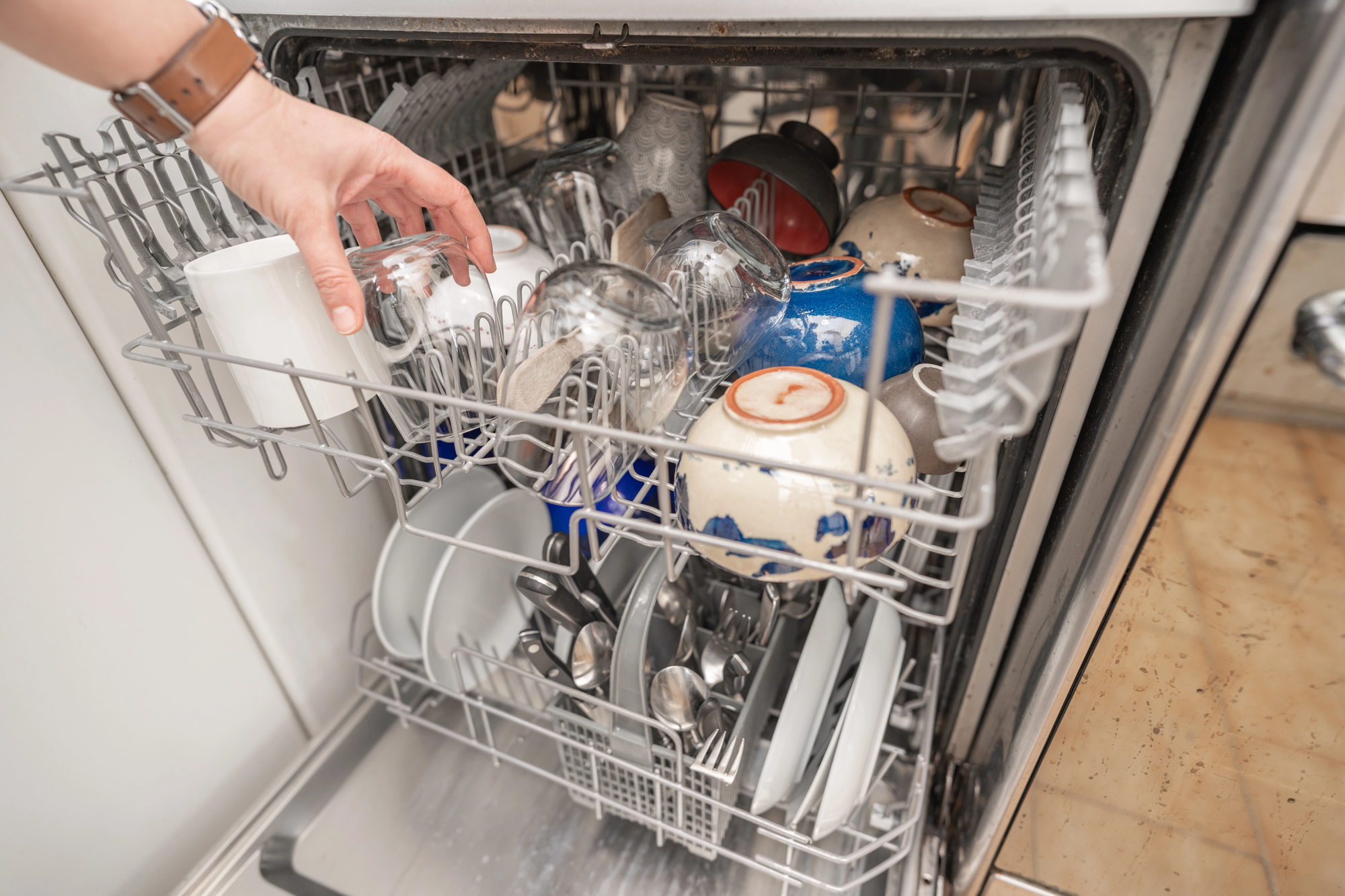
Dishwashers make cleanup a whole lot easier. Toss everything in, press start, and let the machine do the work. But that convenience can come at a cost if you’re not careful about what goes inside.
Many kitchen items aren’t built to handle high heat, strong detergent, and repeated wash cycles. Over time, those conditions can leave them warped, faded, dull, cracked, or even rusted. In some cases, one trip through the dishwasher is enough to cause damage.
If you want your cookware, utensils, and kitchen tools to last, there are a few things that are better off being washed by hand. Here are the items you should stop putting in the dishwasher before they end up ruined.
Cast Iron Cookware
Cast iron and dishwashers do not mix. The harsh detergent and prolonged exposure to moisture strip away the seasoning that naturally builds up a nonstick layer that makes cast iron so effective. Once the seasoning is gone, rust follows quickly.
Instead, let the pan cool, wash it gently by hand with warm water and a small amount of mild soap if needed, and dry it immediately. Lightly oil the surface before storing to maintain its protective layer.
One dishwasher cycle can undo months of careful seasoning.
Carbon Steel Pans
Similar to cast iron, carbon steel relies on seasoning to perform well. Dishwashers strip that coating, leaving the surface vulnerable to corrosion. Hand wash, dry thoroughly, and re-season when needed.
These pans can last decades, but not if they’re regularly blasted by detergent and steam.
High-Quality Kitchen Knives
Good knives are an investment, and the dishwasher is their enemy. The heat, abrasive detergents, and constant jostling against other utensils dull blades and weaken handles. Even stainless steel knives can develop rust spots over time.
Wash knives carefully by hand with warm, soapy water and dry immediately. It takes less than a minute and dramatically extends their lifespan.
If you’ve ever wondered why your once-sharp knife struggles now, the dishwasher is likely to blame.
Wooden Cutting Boards and Utensils
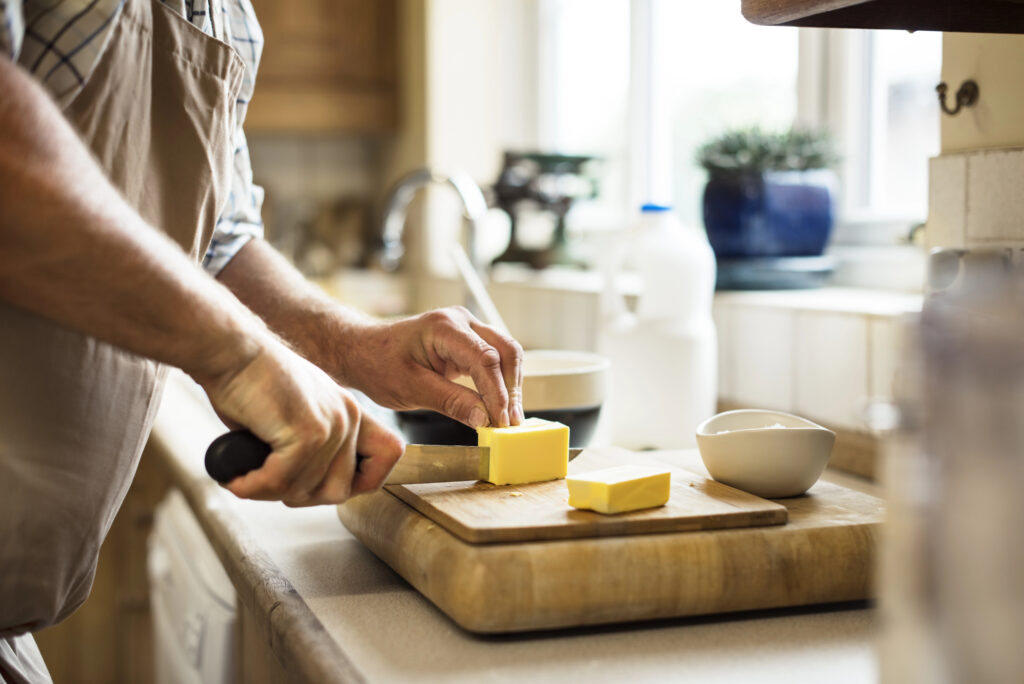
Wood absorbs water. Combine that with high heat and forced drying, and you have a recipe for cracking, splitting, and warping.
Dishwasher cycles strip the wood’s natural oils, leaving it dull and prone to damage. Over time, those cracks can harbor bacteria.
Wash wooden boards and utensils by hand with warm water and mild soap. Dry them immediately and occasionally condition them with food-safe mineral oil to keep them from drying out.
Non-Stick Cookware
Many brands claim their non-stick pans are dishwasher-safe, but that doesn’t mean they’re dishwasher-friendly. Repeated cycles gradually degrade the coating, causing it to flake or lose its slick surface.
The dishwasher’s aggressive cleaning environment shortens the lifespan of non-stick finishes. Instead, wash with warm water, gentle dish soap, and a soft sponge. Since food doesn’t stick easily, cleanup should be quick anyway.
If you want your pans to last longer than a year or two, skip the dishwasher.
Fine China, Crystal, and Delicate Glassware
Fine glassware and china may look sturdy, but the dishwasher’s heat and water pressure can cause fading, chipping, or complete breakage. Decorative finishes and metallic trims are especially vulnerable.
Hand-wash delicate items in warm, soapy water with a soft cloth. Dry carefully and avoid stacking them where they can knock together.
One cycle is often all it takes to cloud crystal or ruin delicate detailing.
13 Rare Antique Finds Lurking in Your Kitchen Cabinets
Gold, Brass, or Bronze-Colored Flatware
Warm-toned finishes don’t respond well to harsh detergents. The dishwasher can dull the shine and cause discoloration over time.
Hand wash and dry these pieces immediately to maintain their appearance.
Air Fryer Baskets
Even when labeled “dishwasher-safe,” air fryer baskets can still suffer. The nonstick interior may deteriorate with repeated exposure to the dishwasher. Water trapped in crevices can also lead to lingering residue or corrosion.
Hand washing preserves the coating and ensures everything is thoroughly cleaned and dried.
Insulated Travel Mugs
Most insulated mugs rely on a sealed vacuum layer to maintain temperature. Dishwashers can weaken that seal over time, compromising performance.
If your mug isn’t explicitly dishwasher-safe, wash it by hand. If you must use the dishwasher, place it on the top rack and skip the heated dry cycle.
Otherwise, don’t be surprised when it stops keeping drinks hot or cold.
Graters and Strainers
The dishwasher often fails to clean the tiny holes properly, leaving food particles behind. Additionally, repeated cycles can dull greater edges.
Rinse immediately after use and scrub by hand to thoroughly remove trapped food.
Bottles and Jars With Labels
Paper labels and adhesive don’t dissolve cleanly in dishwashers. They break apart, clog filters, and create a sticky mess inside your machine.
Remove labels completely and wash jars by hand before placing them in the dishwasher.
Electronics and Items With Adhesives
Anything with electronic components, glued-on parts, labels, or small mechanical pieces should never go in the dishwasher. Heat and moisture can break down adhesives, damage wiring, and ruin delicate components.
That includes blender bases, food processor bodies, and many multi-part gadgets. Always check manufacturer instructions, and when in doubt, hand-wash.