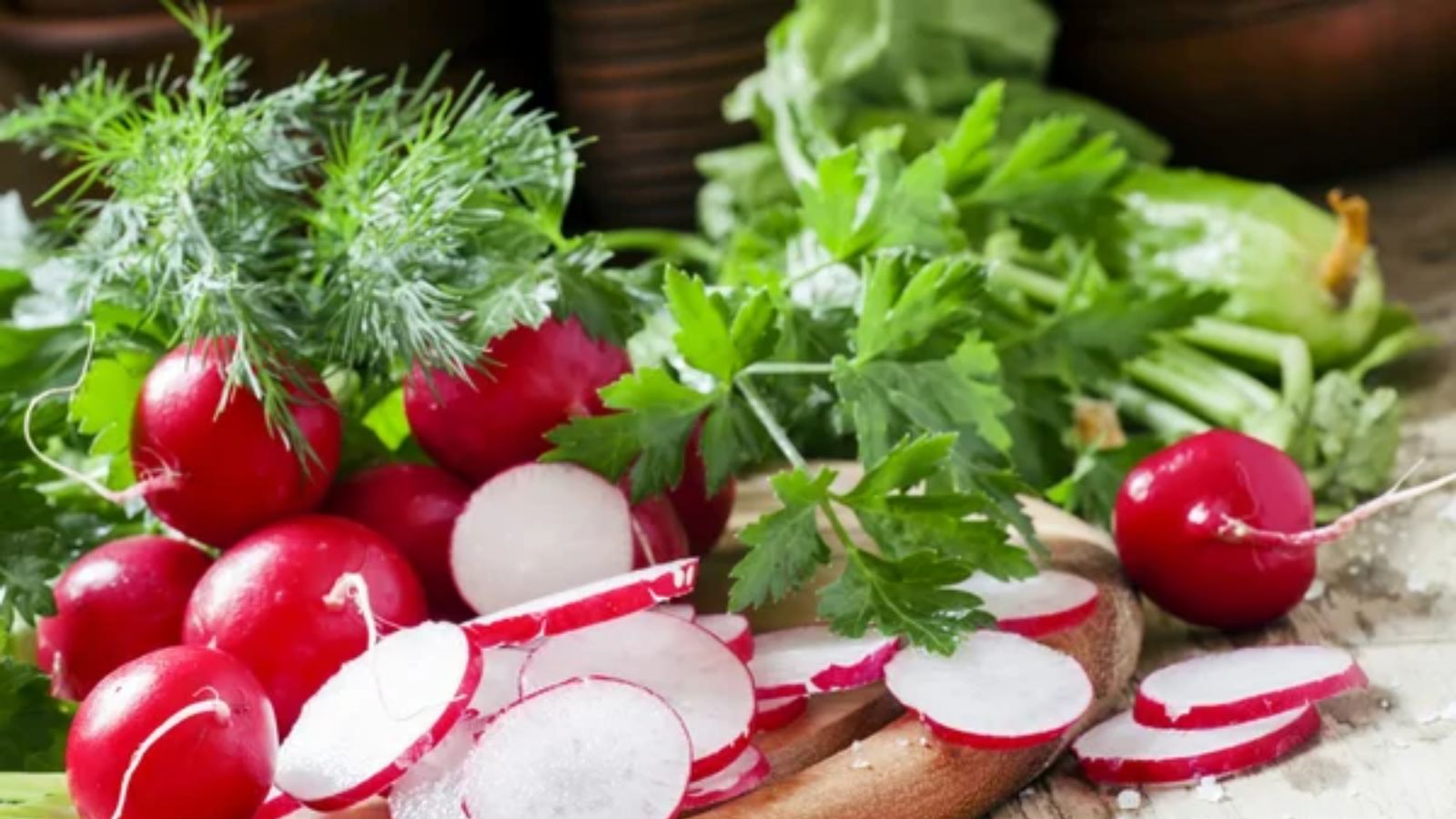

Amish cooking is a culinary tradition that has stood the test of time. It is full of simplicity and great flavor. With its roots in practicality and led by a strong attachment to the land, wholesome ingredients are prepared with great care. Every meal demonstrates one philosophy of sustainability and resourcefulness, carved out from generation to generation.
The Amish kitchen, where simple, thoughtful means result in surprising ends, is a testament to even basic tools and ingredients. Recipes are passed down orally or in well-worn notebooks in handwriting, carrying the family history with the culinary expertise. The lack of processed shortcuts makes the handmade dishes truly incomparable.
Baking with Lard for Superior Flakiness

Lard is a staple in Amish kitchens, and there is a reason behind it: it makes extremely flaky pie crusts and biscuits that dissolve in your mouth. Unlike butter, lard has a neutral taste, allowing the other ingredients to shine.
Its high-fat content ensures tenderness that modern substitutes can hardly achieve. For best results, render at home or purchase high-quality lard to avoid additives.
Using a Wooden Dough Bowl for Better Bread

Amish bakers depend on a wooden dough bowl for perfect bread every time. The bowl’s natural material helps keep the dough at a regular temperature, which nurtures regular yeast activity.
Over time, it develops a patina to enhance flavor and prevent sticking. Durable, non-electric, and traditional, with a bit of TLC, nice oiling, and cleaning, the wooden dough bowl becomes a treasured kitchen implement.
The Secret to Cold Water Pastry

Chilling water before mixing the dough is characteristic of Amish baking. Cold water slows down gluten development, which provides tenderness and lightness to pastries. It keeps fats solid until baked into those flaky, coveted layers.
Amish cooks swear by ice water, particularly for pie doughs and tarts. To master this time-honored technique, all the ingredients must be kept cold during the process.
Grating by Hand for Better Texture

The Amish like making things with fresh ingredients and grating rather than buying pre-shredded to preserve flavors and textures. Cheese that is already grated may be laced with anti-caking, affecting the melt and taste.
Grating carrots or potatoes for soups and casseroles by hand promotes flavor absorption and is a practical, hands-on process connecting with your food preparation. A boxed grater can make this an easily mastered task to consistently achieve great results.
Homemade Egg Noodles with Fresh Eggs

Amish egg noodles have a good reputation for flavor and chewiness. It depends on the usage of fresh, locally produced eggs, not only for taste but also for color. Hand mixing allows for the right consistency in the dough to be achieved, combining firmness with softness.
After thinning out the dough, hand-slicing yields rustic, irregular strands that cook wonderfully. Drying after production lengthens the noodles’ life with no quality sacrifice.
Pickling with Vinegar Brine
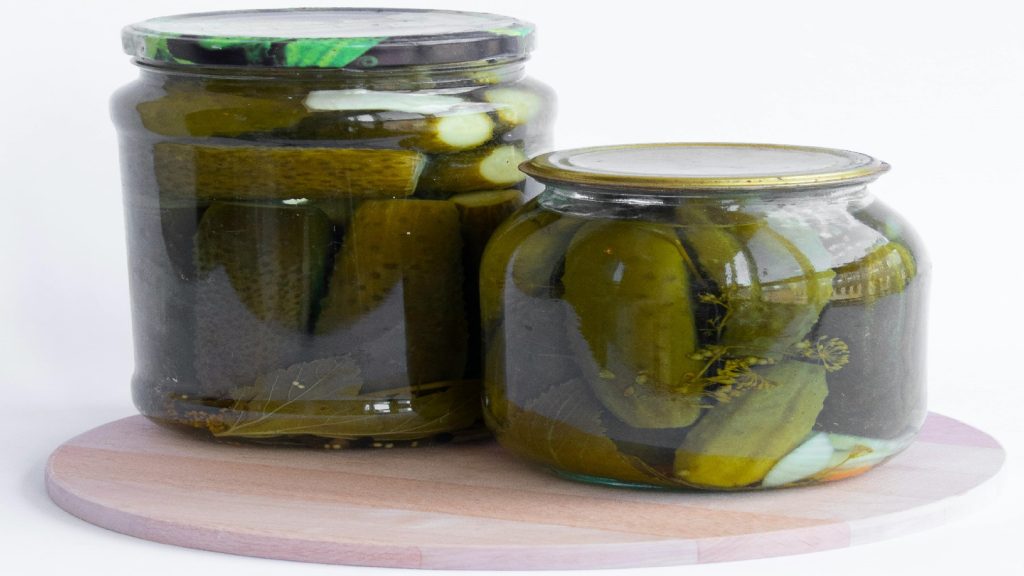
The Amish are quite good at pickling vegetables with simple vinegar brines. This preserves the fresh produce for many months and is excellent for winter meals. Their brines will include simple salt, sugar, and spices for more robust flavors.
Glass pickling makes the item durable and without the absorption of chemicals, thereby providing crunchy and sour pickles, which add to every meal.
Long Simmering for Hearty Soups

A hallmark of Amish cooking is allowing soups to simmer for hours, building deep, rich flavors. Slow cooking blends spices, vegetables, and meats into harmonious dishes. It is also an efficient way of using less expensive cuts of beef, which tenderize beautifully with time.
The Amish often prepare large quantities of soup, perfect for families or freezing portions for later. Patience is the key ingredient in crafting these comforting meals.
Canning for Seasonal Preservation

Canning is one of the important cornerstones of Amish kitchens in preserving seasonal produce. Depending on the acidity of the food, they use either a water bath or pressure canning.
Proper sterilization of jars and lids ensures long-term preservation without spoilage. It lessens food waste and assures flavorful, homegrown ingredients all year. Amish cooks maintain that they follow tested recipes only for safety and consistency.
Buttermilk for Moist and Tangy Bakes

Amish bakers often rely on buttermilk to give baked goods extra life. Its acidity works with baking soda to make bread and other sweet treats light in texture. Buttermilk’s tartness also balances sweetness in recipes, giving them more depth.
Using homemade or fresh buttermilk will yield a superior result to processed versions. This versatile ingredient can make everything from pancakes to cornbread even better.
Cooking with Cast Iron for Versatility

Cast iron is the Amish’s cookware of confidence, reliable in every aspect of cooking, and durable. It conducts heat well and cooks evenly, giving that beautiful browning effect from frying chicken to baking cornbread.
It is a versatile aid for preparing food in the kitchen. Seasoning protects the surface, adding a non-stick coating. Properly cared for, it becomes a tool that improves with age.
Grinding Grains at Home

Grinding grains such as wheat or corn at home means the flour is fresher and more nutritious. The Amish use manual mills, which give full control over coarseness. Freshly milled flour retains oils and nutrients lost in commercial processing.
This practice also connects you to the source of your food, promoting mindful cooking. This effort yields superior bread, muffins, and more.
Harnessing Natural Sweeteners

The Amish cooks avoid refined sugar and rely more on natural sweeteners such as molasses, honey, or maple syrup. These ingredients add depth and complexity to baked goods and desserts.
Molasses lends its rich, smoky flavor to gingerbread and cookies. Honey imparts floral notes and adds moistness to cakes and loaves. Maple syrup delivers a uniquely sweet flavor that works particularly well in pies and as glazes.
Root Cellaring for Freshness

Root cellars enable Amish families to store fruits and vegetables without refrigeration. They are designed to use natural insulation and ventilation to maintain ideal conditions. This method keeps potatoes, apples, carrots, and squash fresh for several months.
Root cellaring reduces dependence on modern energy sources while ensuring access to nutritious food. Building or using a root cellar is a sustainable way to store seasonal harvests.
Layering Flavors in Casseroles

The Amish are well known for their art of creating casseroles with skillful layering, which balances flavors. A common base could be some kind of starch, like potatoes or noodles, followed by proteins and vegetables.
The sauce and gravies are well extended to carry the moisture and the assembly. The topping gives the textural creaminess to breadcrumbs or cheese. These culinary skills lead to rich, satisfying dishes that feed quite a large number of people at once.
Embracing Simplicity in Seasoning
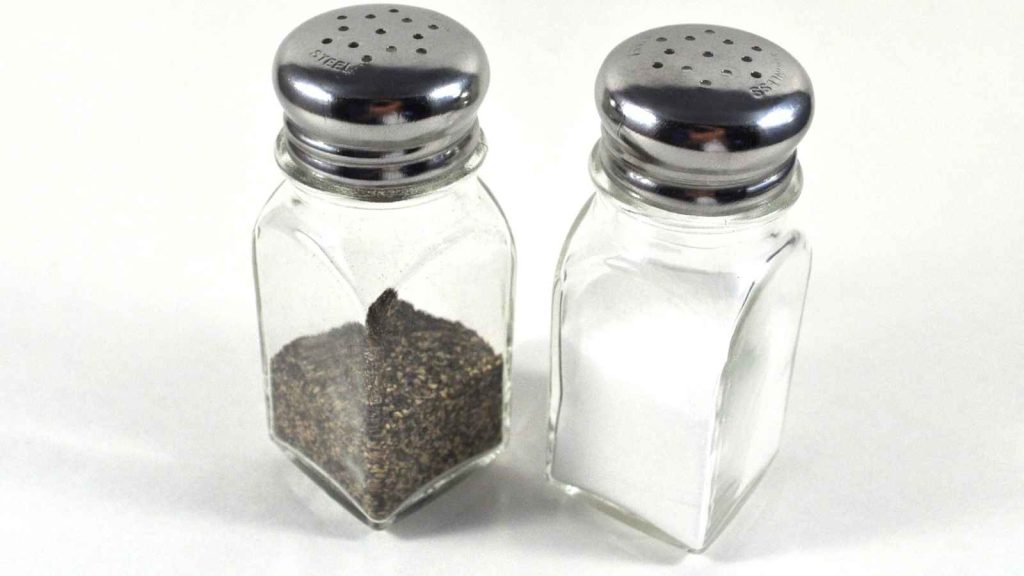
Amish cooking depends on simple seasoning to bring out the natural flavors. Often, salt, pepper, and a few herbs like parsley or dill will do. Dishes require minor enhancement because of the focus on ingredient quality.
This allows the true essence of the food to come through in this philosophy. It’s a reminder that less is more when creating memorable meals.