Amid the busy modern life, we often take a trip to the allure of the ancient past. The relentless machinery of technological advancement and cultural shifts has made many traditions of the Baby Boomer generation fade into oblivion. Baby boomers were born from 1946 through 1964. In the United States, there are about 76.4 million US Baby Boomers.
This is a generation that experienced the birth of rock n’ roll, the Civil Rights Movement, the moon landing, the s*xu@l revolution, and anti-war protests. What were the intriguing customs that made daily life during this era of prosperity and innovation so interesting? Read on to rediscover 20 delightful traditions that used to bring simplicity and joy into life.
Family Dinners Around a Table
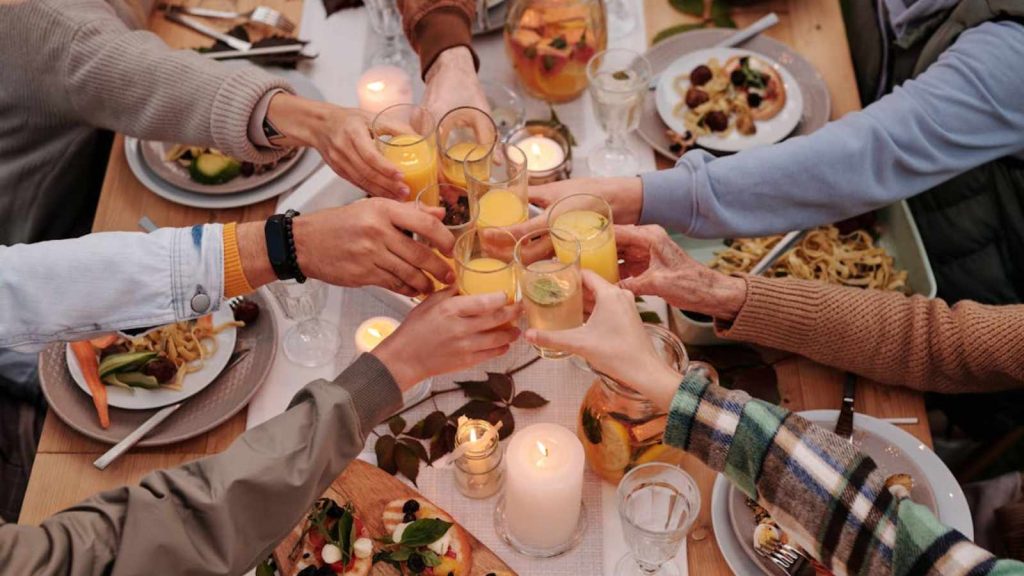
Family dinners were a must, surrounded by family. Boomers gathered around the table to share stories and savor Mom’s homemade meatloaf. Pew Research notes that nearly 76 percent of Baby Boomers can say they had family dinners as kids, a traditional family affair that only 30 percent of today’s families can pull off every week.
It seems only fair to bring it back once a week. Start a new tradition by dusting off the old recipes!
Writing Letters

In a 2021 CBS News survey, 31% said they wrote and sent a personal letter in the past year, and 15% said they never wrote a letter in their lives. Instant messaging and email have ruined the art of letter writing.
Handwritten letters were a way to stay connected, and boomers cherished those days. Try reaching out with a pen and a loving note; your loved ones will be pleased.
Drive-in Movie Theaters

Once upon a time, date nights or family outings were at a drive-in. In 1958, drive-in theatres peaked at 4,063, but now only about 321 drive-in theatre sites remain in the United States.
To relive this nostalgic experience, seek out a local drive-in or host a movie in your own backyard.
Sunday Afternoon Picnics

Many families were profiting from Sunday picnics. The National Recreation and Park Association surveyed Baby Boomers and found that 39 percent ranked picnics among their favorite summer outdoor activities.
There’s nothing wrong with bringing back this leisurely tradition. Buckle up, pack a basket, grab a blanket, and meet at the park.
Bowling Leagues

At one point during the 1970s frenzy, bowling league membership soared above 9 million. This was the golden age of bowling, when leagues were available and provided a place to socialize and compete regularly.
The overall number of bowlers had reduced significantly today. Get together with a few friends for some strikes and spares, maybe, and some friendly competition, too.
Vinyl Records
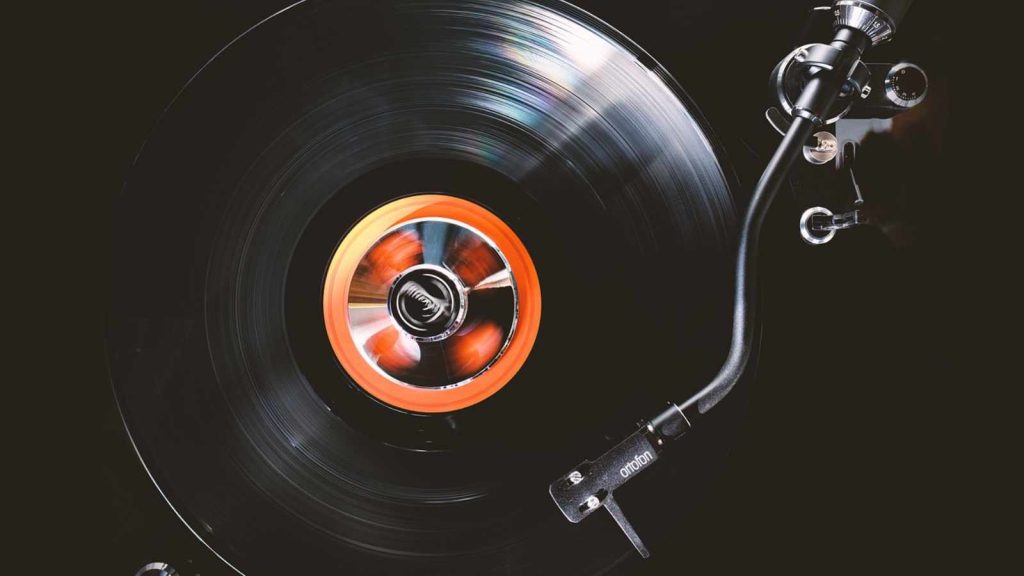
The crackle of a vinyl record turning, the album covers on display in record stores, was special. Digital streaming services have displaced vinyl records as the primary way to listen to music.
Vinyls are sentimental to many baby boomers. For those with some old vinyl, why not dust it off and relive the nostalgia, letting the youth know what you had back when things weren’t this easy?
Polaroid Cameras

Instant photo gratification before smartphones! Owning a Polaroid camera meant you could capture candid moments. In 1948, Edwin Land introduced the first Polaroid camera.
The rise of digital photography led to the demise of Polaroid cameras. Now is the perfect time to bring back your old Polaroid or pick up a new one for a little bit of nostalgia.
Handmade Holiday Cards
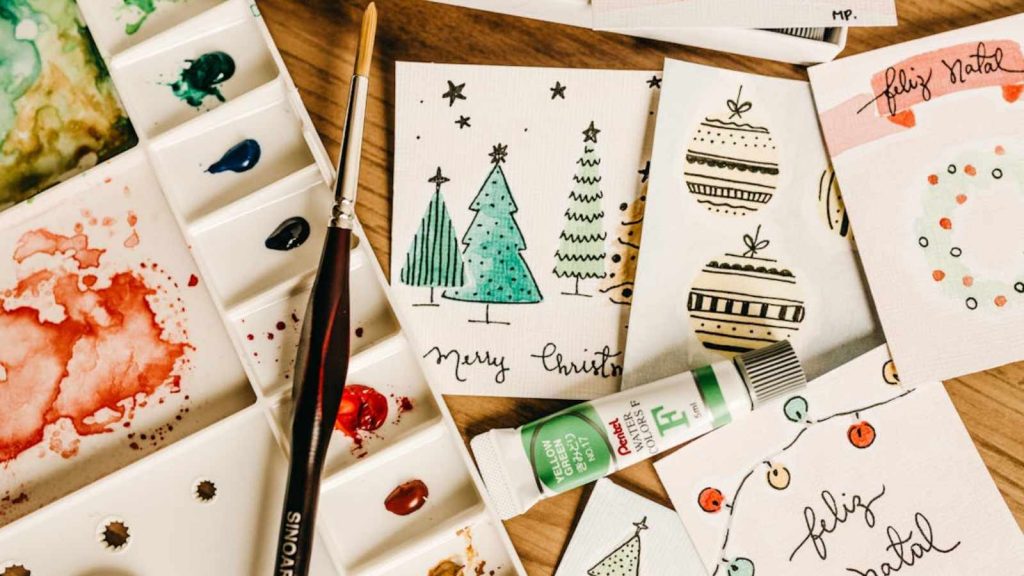
Holiday cards were once a cherished tradition at different times of the year. They were customized with family photos, handwritten messages, and personalized designs—not throwaway e-cards generic to all occasions.
Handmade cards remain, even in a digital world. Bringing this tradition back would be great with our loved ones. Make your own cards or support small business vendors with their handmade cards.
Roller Discos

Roller skating was a mainstay for Boomer fun, and roller discos were the spot to be. In the 1970s, there were more than 5,000 roller rinks in the U.S., as reported by the Roller-Skating Association International. Only about 443 remain operational today.
Roll up your skates, or turn on some funky lights and music at home to relive the nostalgia of roller discos.
Physical Encyclopedias

Physical encyclopedias were a regular fixture in many homes in the pre-Internet era. They were a great source of knowledge and research. However, encyclopedias died out as digital information advanced.
For those who still have some old encyclopedias, give them to the schools and libraries that need them. You can also flip through the pages and check for facts.
Phonebook Browsing

As we know, before Google, phone books were the place to look for a contact. Around 90 percent of users no longer use them.
They aren’t practical now, but flipping through one can be a stroll down memory lane.
Physical Maps

Before GPS and all those apps, Baby Boomers used real, physical maps to point them in the right direction. They were great for planning road trips with highlighter marks and notes.
The next time you go on an adventure, skip technology and use a physical map. It won’t be easy, but it will also provide some added fun.
Waiting for Film Photos

There was something special about the hope and expectation of picking up completed photos from the store. Waiting for film photos to develop seems like an eternity now.
Why not bring some disposable cameras on your next trip and live out this tradition, or make a photo wall at home?
Family Game Nights

Family game nights have become something of a lost art in many households because of how much time we spend with technology and screens. Playing a board game or a deck of cards is a wonderful way to bring family together and create memories along the way.
This is a tradition that we can all bring back by spending a little time every week playing games with our family or friends. You can even take a new angle by playing new games or by repeating your family game night traditions.
Neighborhood Block Parties

Neighbors came together for food, games, and a good time at block parties. Today, with everyone so busy, this tradition has faded away.
How about organizing a block party in your neighborhood? This is a great way to connect with your community and build long-lasting relationships.
Home Cooked Meals

Fast food and delivery apps have made home-cooked meals less popular. Yet, cooking and having a meal with family is a lovely tradition.
So, try cooking dinner at home more often and invite your family or friends along. In addition, you’ll spend quality time with your family, save some money, and eat healthier.
Landline Phones

Landline phones were the go-to place of communication before smartphones. In 2004, 91 percent of U.S. adults lived in homes with a landline. The increased use of smartphones has led to a significant decrease in this number.
Although landlines are becoming obsolete in everyday use, it may be nice to keep one at home just for emergencies or for nostalgia’s sake.
Physical Newspapers

Before online news sources, being an early riser meant reading the morning paper. U.S. daily newspaper circulation has fallen sharply on weekdays, from 55.8 million copies in 2000 to 24.2 million in 2020, according to the U.S. Census Bureau.
Get a newspaper, pick up your coffee, and turn the pages. You can also subscribe to a daily physical newspaper for daily updates.
Sitting Around the Radio

Before television, boomers would gather around the radio to hear news, music, and entertainment. Radio technology is still used today, though most homes rarely use it.
Break from screens and tune in to your local radio station for old-fashioned entertainment. You might discover new or old music.
Sewing and Mending Clothes

A survey of the baby boomer generation published on Science Daily finds that many of them have skills such as sewing, hemming, and even button repair. Most people would rather have new clothes than patch old ones. Sewing our own clothes saves money and is good for the environment.
Try sewing or learning how to mend your own clothes to bring back this lost art. You can even host a clothing swap with friends to find new pieces for your wardrobe while decreasing waste.