Living in America might be a dream for some, but there are numerous reasons why some hesitate to leap. From cultural differences to economic factors, the decision to reside in the U.S. can be complex and laden with personal considerations.
For those contemplating a move, it is essential to weigh the perceived benefits against the realities of life in America. Understanding the challenges can provide a clearer picture for anyone considering such a significant change. Here are some of them.
Cultural Differences

Adapting to the diverse cultural landscape of the U.S. can be daunting. Varied customs, social norms, and the prevalence of individualism might clash with more collectivist perspectives, leading newcomers to feel isolated.
High Cost of Living

In many cities, particularly on the coasts, the cost of living can be prohibitive. Housing prices, healthcare, and education expenses can quickly increase, straining budgets. This financial burden may deter those considering relocation.
Work-Life Balance

America’s work culture often prioritizes productivity over leisure. Long hours and limited vacation time are common, affecting personal well-being. Adjusting to this hustle can be challenging for individuals from more relaxed work environments.
Healthcare System

The U.S. healthcare system can be confusing and expensive. Unlike many countries with universal healthcare, Americans face high premiums, deductibles, and out-of-pocket costs. This complexity can be a significant deterrent for potential immigrants.
Education System

While American universities are highly regarded, the education system can be unequal. Public schools in different regions vary significantly in quality and resources. Understanding this landscape is crucial for families planning to move.
Legal and Immigration Challenges

Navigating the U.S. immigration process can be overwhelming and time-consuming. Visa applications and residency requirements can pose significant hurdles. This bureaucratic complexity may deter many from pursuing their American dream.
Political Climate

The political landscape in America is often polarizing and intense. The constant debates and controversies may be overwhelming for those coming from more stable political environments. The current administration’s policies on immigration can also create uncertainty for those considering a move.
Environmental Concerns

From natural disasters to pollution, there are valid concerns about living in some regions of the U.S. Extreme weather events and health hazards caused by industrialization may make some hesitant to relocate.
Social and Racial Tensions

Social and racial tensions in America have been well-documented. For some, the fear of discrimination or hate crimes can be a barrier to living in the U.S. This can be a particularly pressing concern for minority groups.
Finding Community

Moving to a new country means leaving behind established communities and support systems. Building new connections and friendships can take time, making it challenging for immigrants to feel at home in the U.S.
Limited Public Transportation

Many areas in the U.S. are designed around car travel, with limited or non-existent public transportation options. This lack of accessibility can make it difficult for newcomers who rely on public transit to navigate their new environment, leading to feelings of dependence and frustration.
Job Market Competition

The American job market can be highly competitive, particularly in urban centers. With a significant influx of skilled professionals in various fields, securing a desirable position may prove challenging for newcomers, necessitating a robust network and relevant experience to stand out.
Weather Extremes
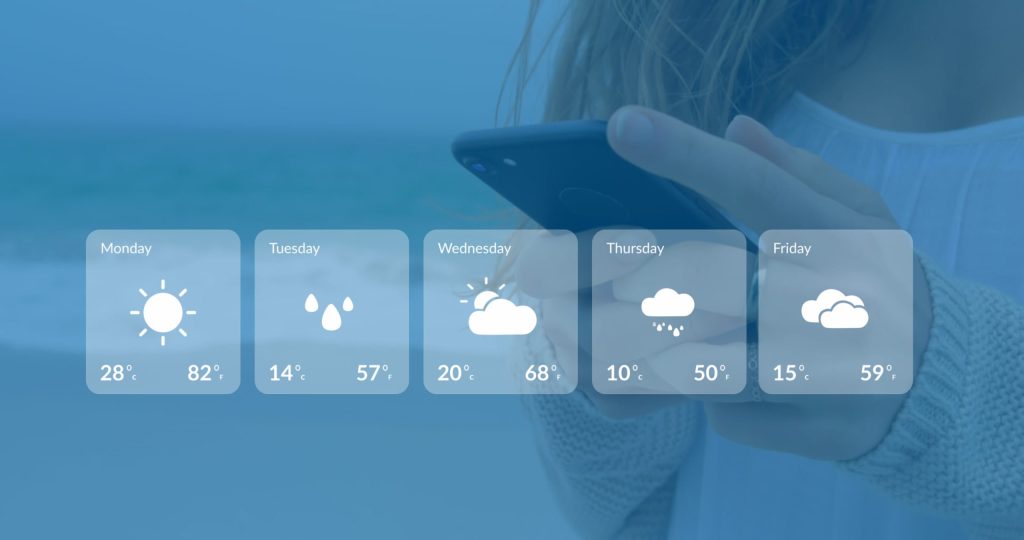
The vast geographic diversity of the U.S. means that weather conditions can vary dramatically from region to region. Potential immigrants may need to consider their tolerance for extreme climates, whether it be the sweltering heat of the South, frigid winters in the North, or the unpredictability of hurricanes and wildfires in certain areas.