Buying your first home is exciting, but it also comes with a long list of decisions, paperwork, and expenses. Knowing a few basic financial, home maintenance, and planning skills before you start shopping can make the process much easier to handle.
First-time buyers made up 31% of home purchases in 2020, according to the National Association of Realtors. Before you start making offers, these 15 skills can help you prepare for the costs and responsibilities of homeownership.

Saving for a Down Payment
Saving for a down payment takes time, so it’s helpful to set a target before you start looking at houses. A larger down payment can reduce your loan amount and may help you avoid private mortgage insurance, while first-time buyers put down about 6% on average, according to NerdWallet.
Related: 12 Martha Stewart Home Decor Tips That Can Make Your Home Look Better
Basic Home Maintenance
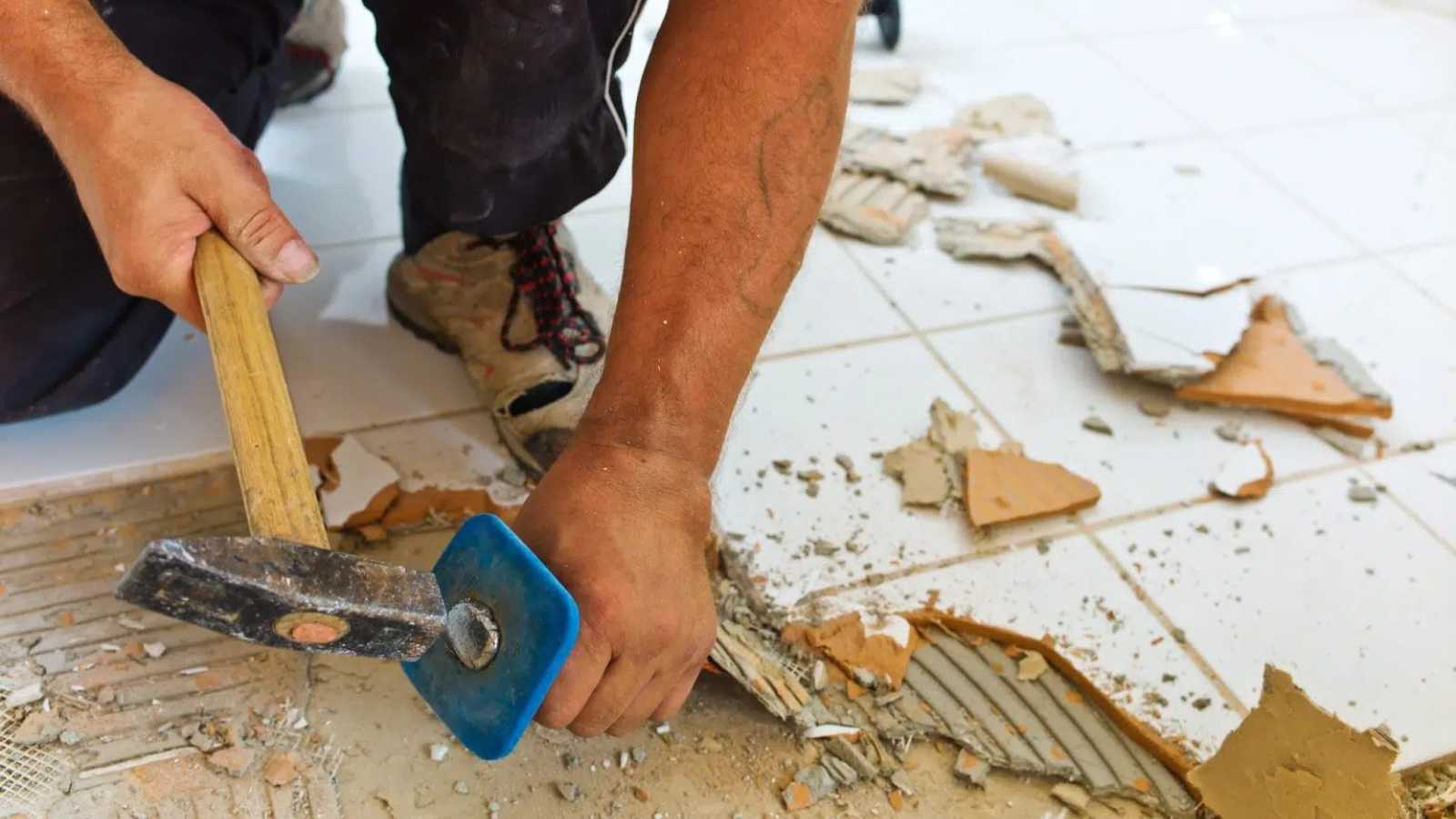
Once you own a home, small maintenance jobs become your responsibility, and ignoring them can lead to bigger bills later. Learning things like how to unclog a drain, change an air filter, or clean gutters can save you money and help keep your house in good shape.
Mortgage Types and Terms
Knowing the difference between fixed-rate, adjustable-rate, and government-backed mortgages can help you compare loan offers with more confidence. The Consumer Financial Protection Bureau has resources that explain mortgage terms and can help you figure out which options fit your finances.
Real Estate Market Analysis
Learning what homes are selling for in your area can help you tell whether a listing is reasonably priced. Pay attention to local sales, inventory, interest rates, and whether buyers or sellers currently have more leverage before making an offer.
Related: 10 Home Maintenance Myths You Should Stop Believing
Negotiation Skills
The purchase price isn’t the only part of a home deal that can be negotiated; buyers may also negotiate repairs, credits, closing costs, and other terms. Practice asking questions and making reasonable requests so you’re more comfortable speaking up during the buying process.
Reading Contracts and Legal Terms
Buying a home means signing contracts filled with terms that can affect your money and your rights as a buyer. Read everything carefully, ask questions about anything you don’t understand, and consider hiring a real estate attorney if you need legal advice.
Home Inspection Knowledge
A home inspection can reveal problems that aren’t obvious during a showing, from roof damage to plumbing or electrical issues. Learning how to read an inspection report can help you decide which repairs matter most and whether to proceed with the purchase.
Related: 12 Surprising Home Insurance Details Every Homeowner Should Know
Understanding Closing Costs
Closing costs can add roughly 3% to 5% of a home’s purchase price, depending on the loan and location. Expenses can include lender fees, title services, taxes, insurance, and escrow costs, so ask lenders for detailed estimates before choosing a loan.
Time Management
Buying a home involves house hunting, lender paperwork, inspections, appraisals, negotiations, and deadlines. Keeping a calendar or checklist can help you stay on top of appointments and documents, so important dates don’t slip by.
Organization Skills
You’ll collect plenty of paperwork during the buying process, including bank statements, loan documents, inspection reports, tax records, and insurance information. Keep digital and paper copies organized in clearly labeled folders so you can find what you need without digging through piles of documents.
Related: 13 Nate Berkus Home Design Choices That Make Designers Cringe
Assessing Long-Term Investment Potential
A home’s location can have a major effect on its future value, so look beyond the house itself before making an offer. Check nearby schools, transportation, job growth, new construction, planned development, and other factors that could affect the area over time.
Patience
A home purchase rarely goes exactly according to plan, and you may lose a bidding war, run into financing delays, or find problems during an inspection. Giving yourself time to step back and think can keep you from making a rushed decision just because you’re eager to become a homeowner.
Understanding Homeowners Insurance
Homeowners insurance can cover certain types of damage to your house and belongings, but coverage varies from one policy to another. The Insurance Information Institute recommends comparing quotes and carefully reviewing coverage, especially if you may need additional protection against risks such as floods or earthquakes.
Understanding Credit Scores
Your credit score can affect the mortgage rates and loan terms you qualify for, which can make a large difference over the life of a loan. Experian explains how a higher credit score can help borrowers qualify for better mortgage rates, so check your credit reports and work on paying bills on time and reducing debt before applying.
Budgeting and Financial Planning
A realistic home budget should include more than the mortgage payment, with room for property taxes, insurance, utilities, maintenance, repairs, and other household expenses. Dave Ramsey’s 50/30/20 budgeting rule is one way to divide income between needs, wants, and savings, but your own numbers should reflect your income, debts, and homeownership costs.