A garden filled with birds feels more alive. The sound of chirping in the morning, flashes of colorful feathers, and the sight of birds searching for food can make any outdoor space more enjoyable.
If you want to welcome more birds to your yard, the plants you choose can make a big difference. Certain flowers, shrubs, and trees provide seeds, berries, nectar, and safe places for birds to rest or build nests.
Adding a mix of bird-friendly plants can help create a garden where local birds have plenty of reasons to visit. Here are thirteen plants that can attract a variety of beautiful bird species.
Sunflowers
Sunflowers are one of the easiest plants to grow for attracting birds. Their large flower heads produce many seeds that birds such as finches, sparrows, and chickadees enjoy.
After the flowers mature, the seed-filled centers become a natural food source. Their tall stems also give smaller birds a place to perch while they search for a meal.
Black-Eyed Susan
Black-eyed Susans bring bright yellow blooms to the garden and are loved by many backyard birds. Once the flowers fade, they produce seeds that attract goldfinches, cardinals, and other seed-eating birds.
These hardy perennials are also easy to grow, making them a great choice for gardeners who want beauty and wildlife benefits in one plant.
Holly
Holly shrubs add year-round greenery while providing an important food source for birds. Their bright red berries appear during colder months when food can be harder for birds to find.
Species such as robins, bluebirds, and cedar waxwings often feed on holly berries. The dense branches also give birds a protected place to hide.
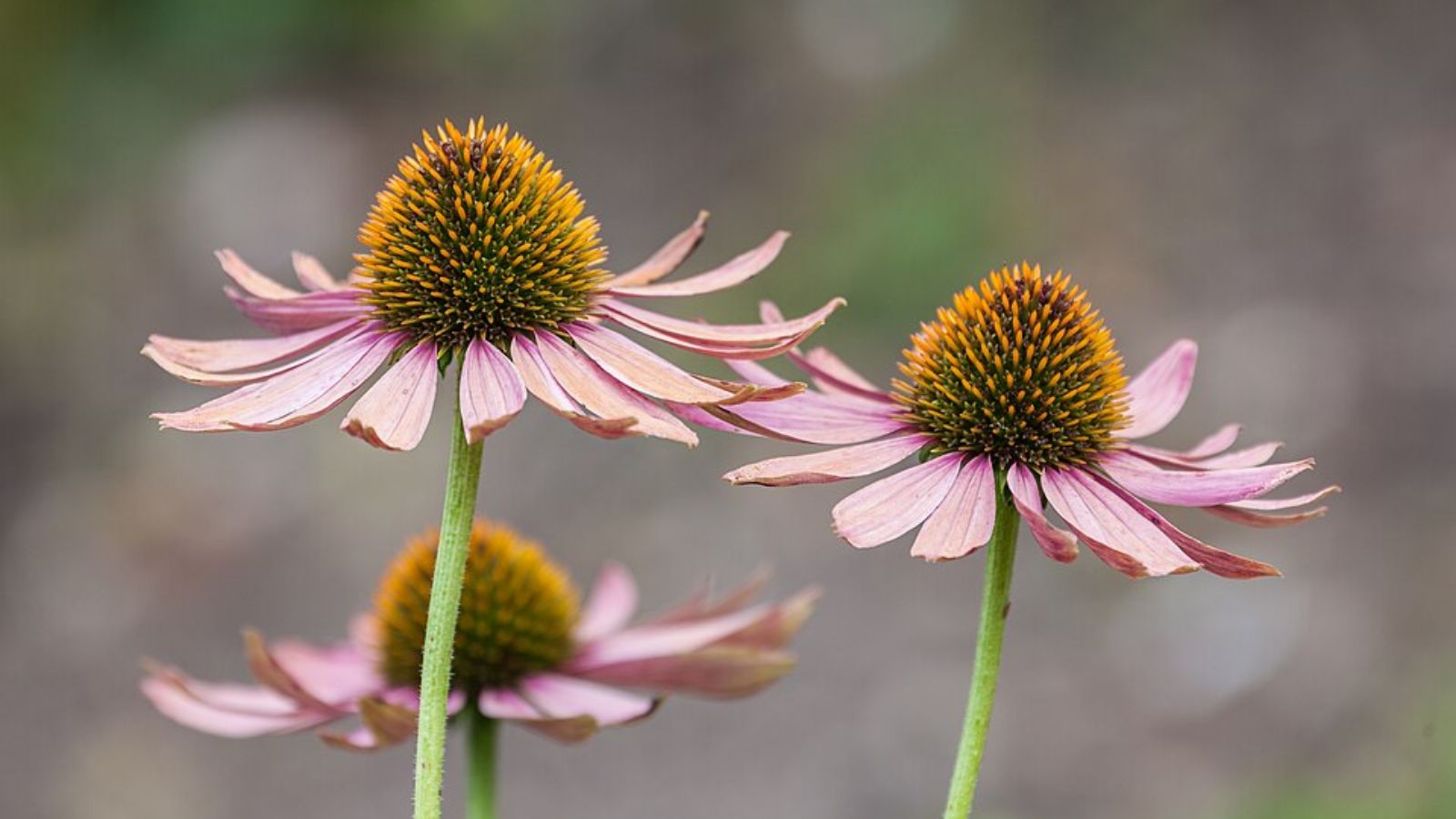
Coneflowers
Coneflowers are a favorite among gardeners and birds alike. Their colorful blooms attract attention during the growing season, while their seed heads provide food later in the year.
Finches and sparrows often visit coneflowers to feed on the seeds. Leaving some dried flower heads standing can help birds throughout the colder months.
Blueberry Bushes
Blueberry bushes offer benefits for both people and wildlife. Their sweet berries attract birds such as robins, bluebirds, and mockingbirds.
Beyond providing fruit, these shrubs also create cover where birds can rest and move safely through the garden.
Butterfly Bush
Butterfly bushes are famous for attracting butterflies, but they can also bring hummingbirds and other nectar-loving birds to your yard.
Their long flower clusters provide a steady supply of nectar, while the thick foliage creates hiding spots where small birds can take shelter.
Milkweed
Milkweed plays an important role in supporting pollinators and attracts hummingbirds with its nectar-rich flowers. Its colorful blooms add beauty while providing a valuable food source.
Different milkweed varieties produce flowers in shades of pink, orange, and purple, making them an attractive addition to many gardens.
Elderberry Bushes
Elderberry bushes are excellent plants for bird-friendly landscapes. Their clusters of small, dark berries are enjoyed by many species, including cedar waxwings and American robins.
The shrub’s thick growth also provides birds with places to nest and stay protected from predators.
Bee Balm
Bee balm adds bright flowers and attracts hummingbirds, bees, and butterflies. Its tubular blooms are especially appealing to hummingbirds, which feed on the nectar.
This perennial comes in several colors, including red, pink, and purple, making it a colorful addition to a wildlife-friendly garden.
Salvia
Salvia is a reliable choice for attracting hummingbirds and other nectar-feeding birds. Its tall flower spikes produce plenty of nectar and come in many colors.
With many varieties available, gardeners can choose salvia plants that fit their outdoor space while giving birds another reason to visit.
Serviceberry Tree
Serviceberry trees provide food and beauty throughout the year. In spring, they produce delicate white flowers, followed by small blue-black berries that birds enjoy.
Birds such as thrushes, cardinals, and robins often feed on the fruit. The tree also provides shelter and nesting areas for various species.
Redbud Tree
Redbud trees are known for their stunning pink or purple flowers that appear before the leaves grow in spring. These blooms attract hummingbirds and other pollinators.
Later in the season, the tree produces seeds that can provide food for birds such as finches, jays, and chickadees.
Asters
Asters are a great late-season plant for supporting birds and pollinators. Their daisy-like flowers bloom when many other garden plants are starting to fade.
The nectar-rich blooms attract hummingbirds and insects, while the seeds that develop later can provide food for small birds.
Planting bird-friendly flowers, shrubs, and trees can transform an ordinary yard into a welcoming space for wildlife. With the right mix of plants, your garden can offer birds food, shelter, and a safe place to visit throughout the year.