
Caring for your lawn can seem never-ending if you want it lush, green, and pest-free. Like most homeowners, if you take pride in your outdoor space, you want it to look picture-perfect all year long. No matter how much you research, there are a few mistakes that can quickly undo all your hard work.
In reality, sometimes the very things we think will help are the ones hurting it. Let’s take a look at some of the most common mistakes you should avoid making when caring for your lawn so that it remains healthy, vibrant, and thriving.
Watering Too Much
It’s a given that you need to water your lawn, but did you also know that you can overwater it? Many homeowners assume they need to water their lawn daily to keep it green, but that’s one of the quickest ways to encourage root rot.
Too much water creates a swampy environment that drowns the grass and makes it also much more susceptible to disease. Water deeply but less often instead.
Over-Mowing

While you do need to mow your lawn for upkeep, overdoing it can actually do a lot more harm than good. During hot weather, cutting your grass too short can stress it out.
Those longer blades on your grass are necessary to protect it from the blazing sun. It’s like getting a haircut that’s too short for comfort — ouch! Instead, try to mow your lawn to approximately 2.5 to 3 inches to keep the grass strong and healthy.
Using the Wrong Fertilizer

The right fertilizer is key to a healthy lawn, and the wrong one can cause big problems. A lot of people choose a quick-release fertilizer, which gives an explosive boost but lasts for just a short time.
When this happens, the grass can grow too quickly, making it more prone to disease. Usually, slow-release fertilizers are a better choice as they give a more consistent feed to your lawn.
Ignoring Soil Aeration
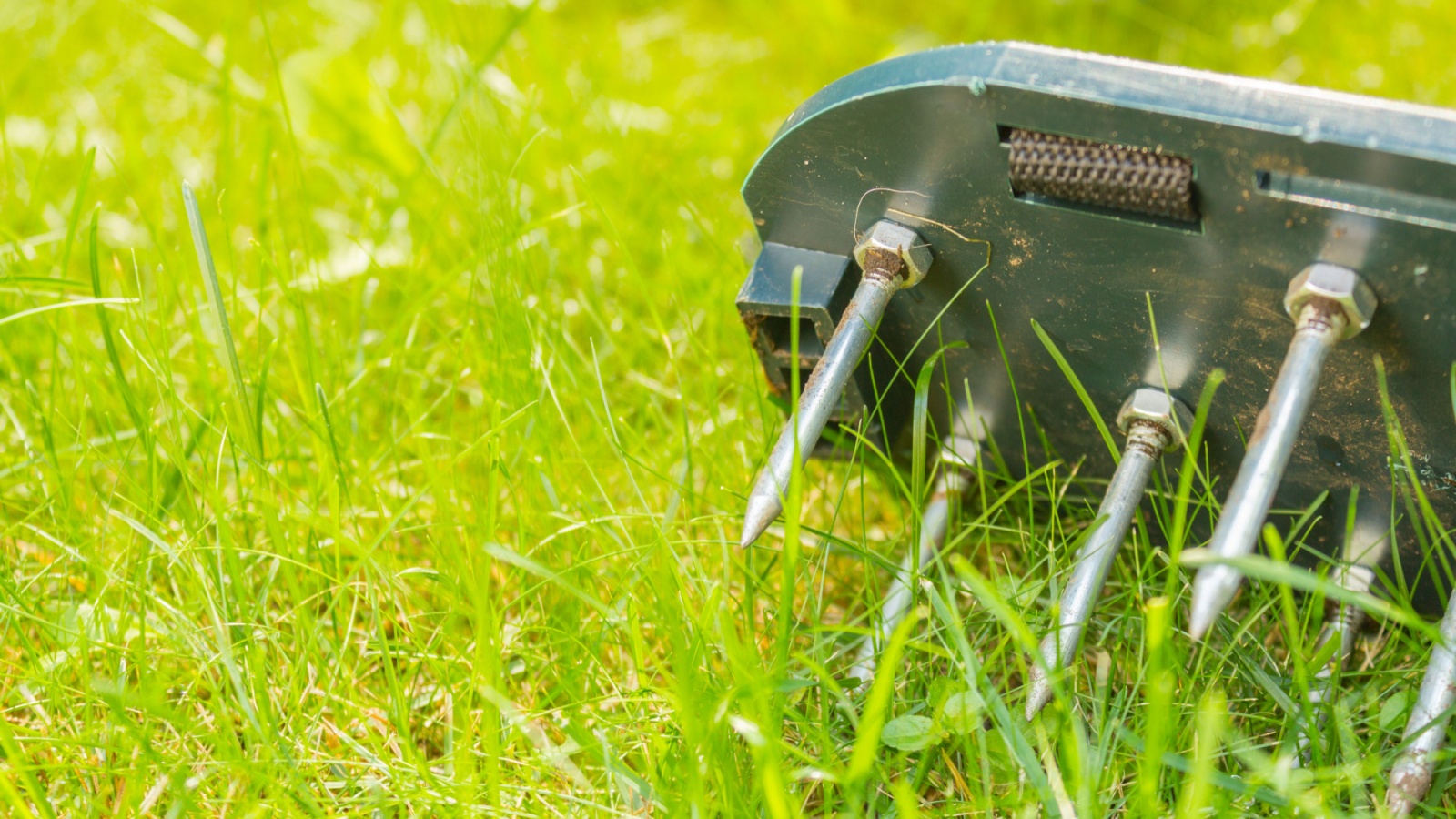
The grass is just as important as the soil beneath it. Soil can get compacted over time, and your lawn’s roots no longer have access to the oxygen and nutrients it needs to flourish. To control this, you can aerate your lawn once a year.
Aeration involves poking small holes in the soil to allow air, water, and nutrients to reach deeper into the soil. It makes your grass grow stronger and healthier.
Neglecting to Reseed
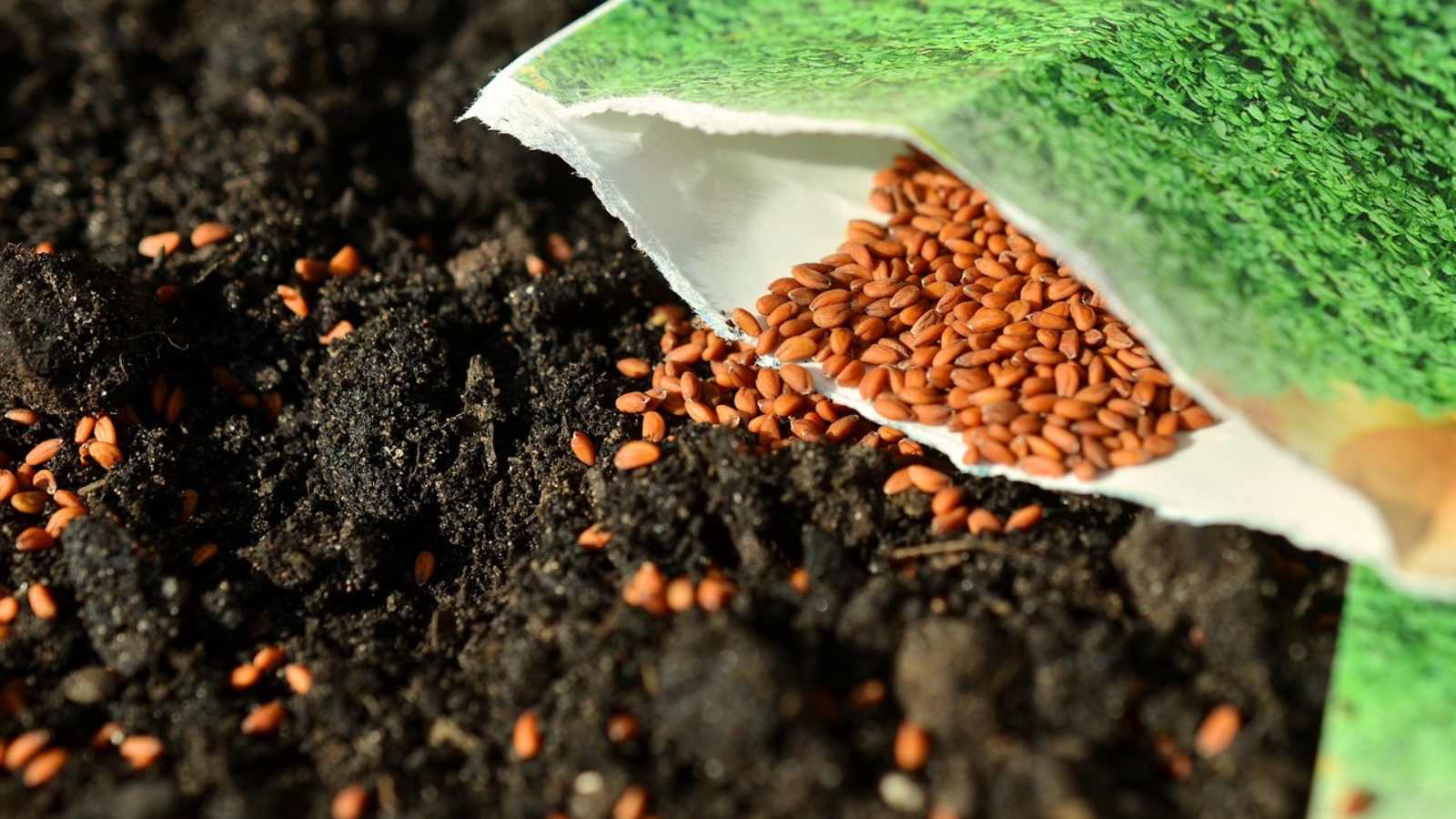
Maintaining what you already have isn’t the only part of lawn care – it’s also about promoting growth. If you neglect to reseed the bare patches on your lawn, the grass will begin to thin and become more susceptible to weeds.
If there are some areas that seem a little too thin, just toss some grass seed on them and let it grow. The cooler weather promotes strong root development, making fall an especially good time for reseeding.
Mowing Wet Grass

Mowing your lawn after a heavy rain might seem like a good idea, but it can harm your grass. Wet grass is more likely to clump together, so it doesn’t mow evenly.
Plus, it’s risky to rip the grass as you cut it, leaving open wounds that attract pests and diseases. To avoid these problems, wait for your lawn to dry out before mowing.
Cutting Grass From the Same Angle Every Time

Personally, we all have our preferred mowing pattern, but if you cut in the same direction all the time, you’ll end up with uneven grass growth.
In fact, grass will tend to grow in the direction that it’s mowed, so it’s a good idea to alternate your mowing direction. This prevents the grass from becoming too bent and helps it grow evenly across the lawn.
Overuse of Pesticides

While pesticides can certainly help you to keep pests away from your lawn, overusing them can lead to long-term damage.
They kill not only harmful insects but also beneficial ones that help keep your lawn healthy. Also, the soil may become less fertile over time, and your lawn may lack essential nutrients.
Forgetting to Rake Leaves
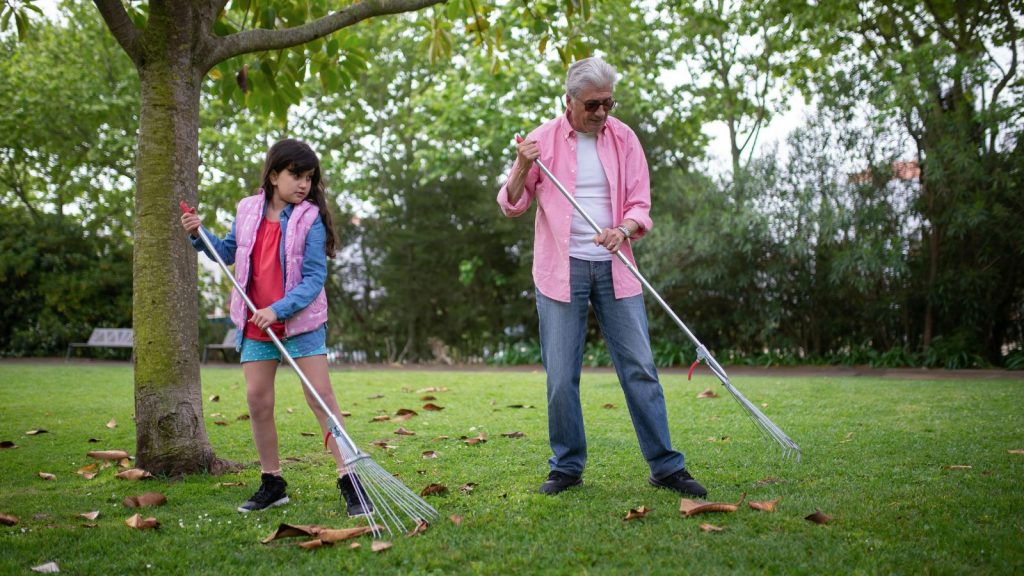
Fall leaves are beautiful, but if left unchecked can quickly become your lawn’s problem. Sunlight doesn’t get through a blanket of leaves, and grass can’t photosynthesize properly. This, over time, can kill the grass below.
Also, make sure you regularly rake up fallen leaves or mulch them with your mower to provide your soil with a nutrient-rich top layer.
Not Dealing With Thatch
A layer of dead grass and roots on the soil surface, called thatch, is a barrier that prevents water, air, and nutrients from reaching the roots.
Thatch over time can cause unhealthy grass. If you see a thick buildup of thatch, half an inch or more, it’s time to dethatch your lawn. You can do this manually or with a de-thatching machine; it makes your lawn breathe easier.
Over-Fertilizing
Although fertilizing your lawn is vital, too much fertilizer can be worse than none at all. Grass can grow too quickly, with weak roots and increased disease if over-fertilized. Also, the excess fertilizer can leach away into nearby water sources and pollute them. Fertilize only in moderation.
Ignoring Lawn Edges
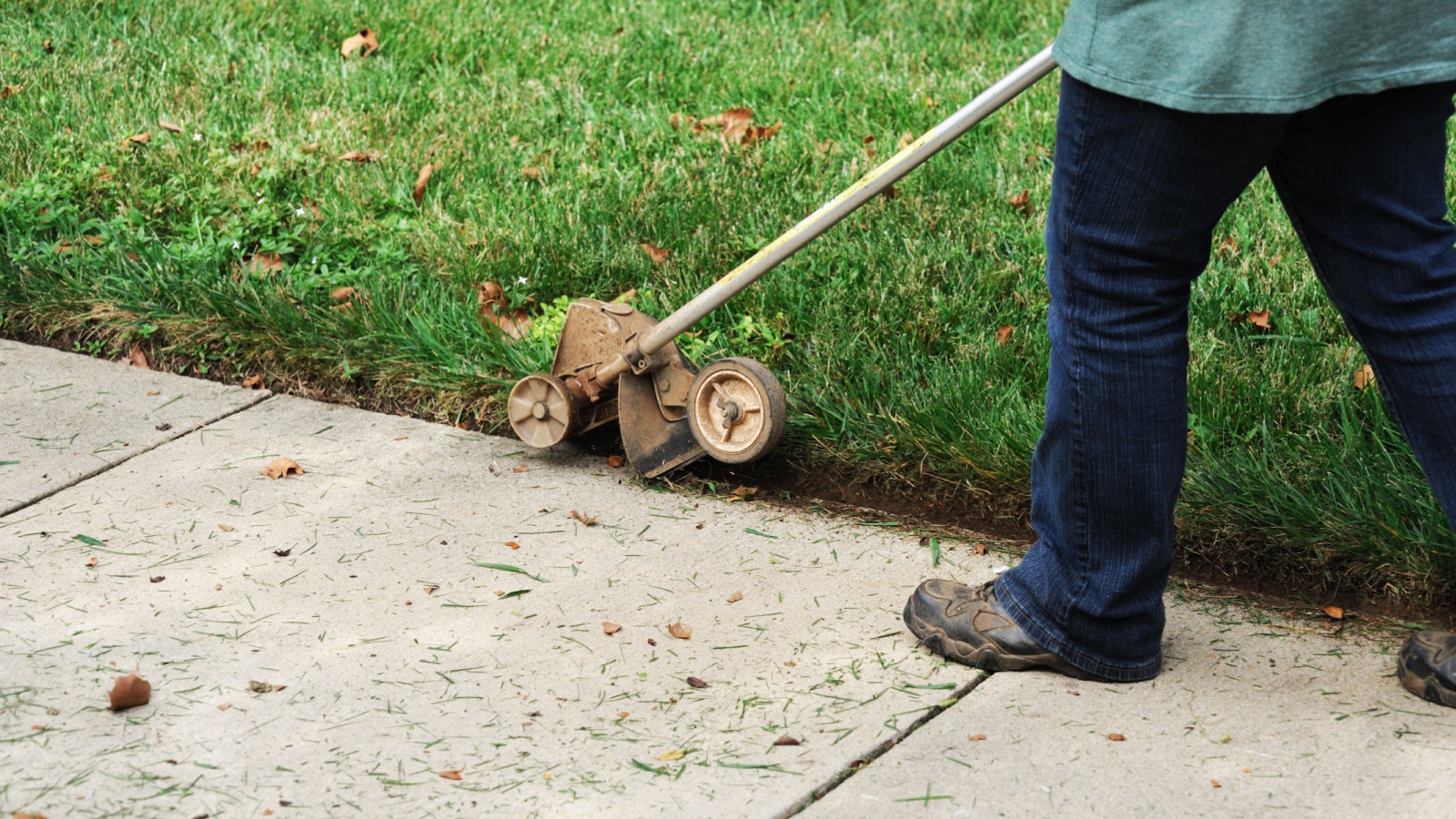
Even though your lawn has edges that might seem insignificant, you shouldn’t ignore them, as they can make your lawn look unruly. Neglected edges can make your lawn look neglected even if the rest of it is in great shape. Trim those edges nicely by cutting them often with a weed eater or garden shears.
Letting Weeds Take Over
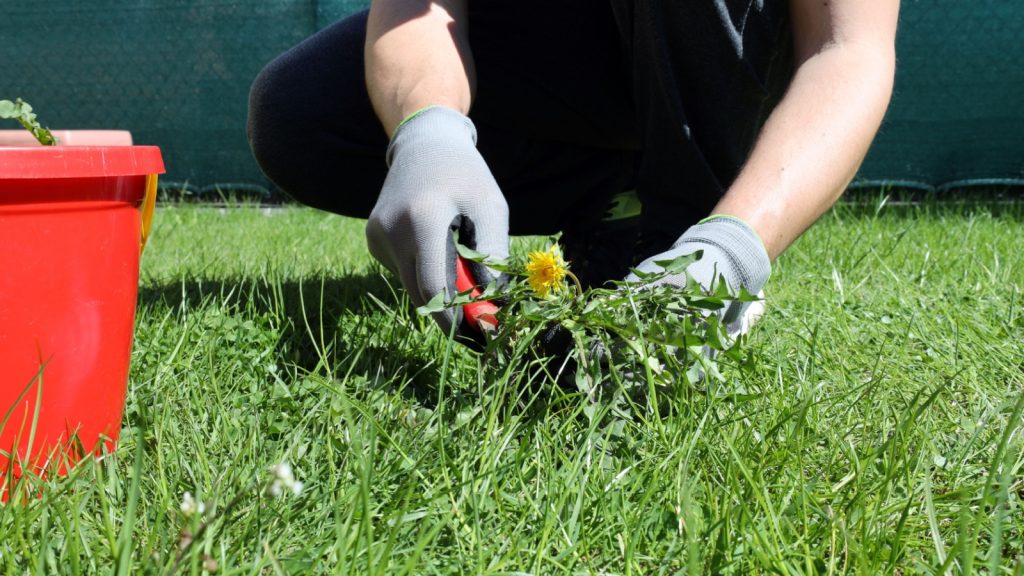
If left untreated, weeds will overrun a lawn quickly, and they grow faster than most grass types, competing with your grass for water, nutrients, and sunlight. Pull weeds up by hand or use a weed killer if you see weeds beginning to grow. The sooner you act, the better!
Skipping Regular Lawn Maintenance

If you let your lawn maintenance slip, it can lead to a snowball effect of problems. Your lawn needs regular care, such as mowing, watering, and fertilizing to look good. If you skip even one of these tasks, weeds, pests, and thinning grass can take root. Taking care of your lawn is important to avoid headaches in the future.
Letting Pets Damage the Lawn

Pets make wonderful companions, but they can be less than desirable when it comes to the impact they have on your lawn. Dogs, in particular, cause patches of dead grass from their urine, which is high in nitrogen.
To avoid this, water the spots right after your pet has used the area. Pay attention, too, to areas where pets like to dig or keep paths, as this can wear down your lawn over time.
Not Testing the Soil
While testing the soil in your lawn might seem like an extra step, it’s one that can yield a big difference in the health of your grass.
Soil tests can show you what nutrients your lawn is deficient in and if the pH is off balance. If you don’t have this knowledge, you could be over- or under-fertilizing, which will result in poor growth.
Ignoring Shade Areas
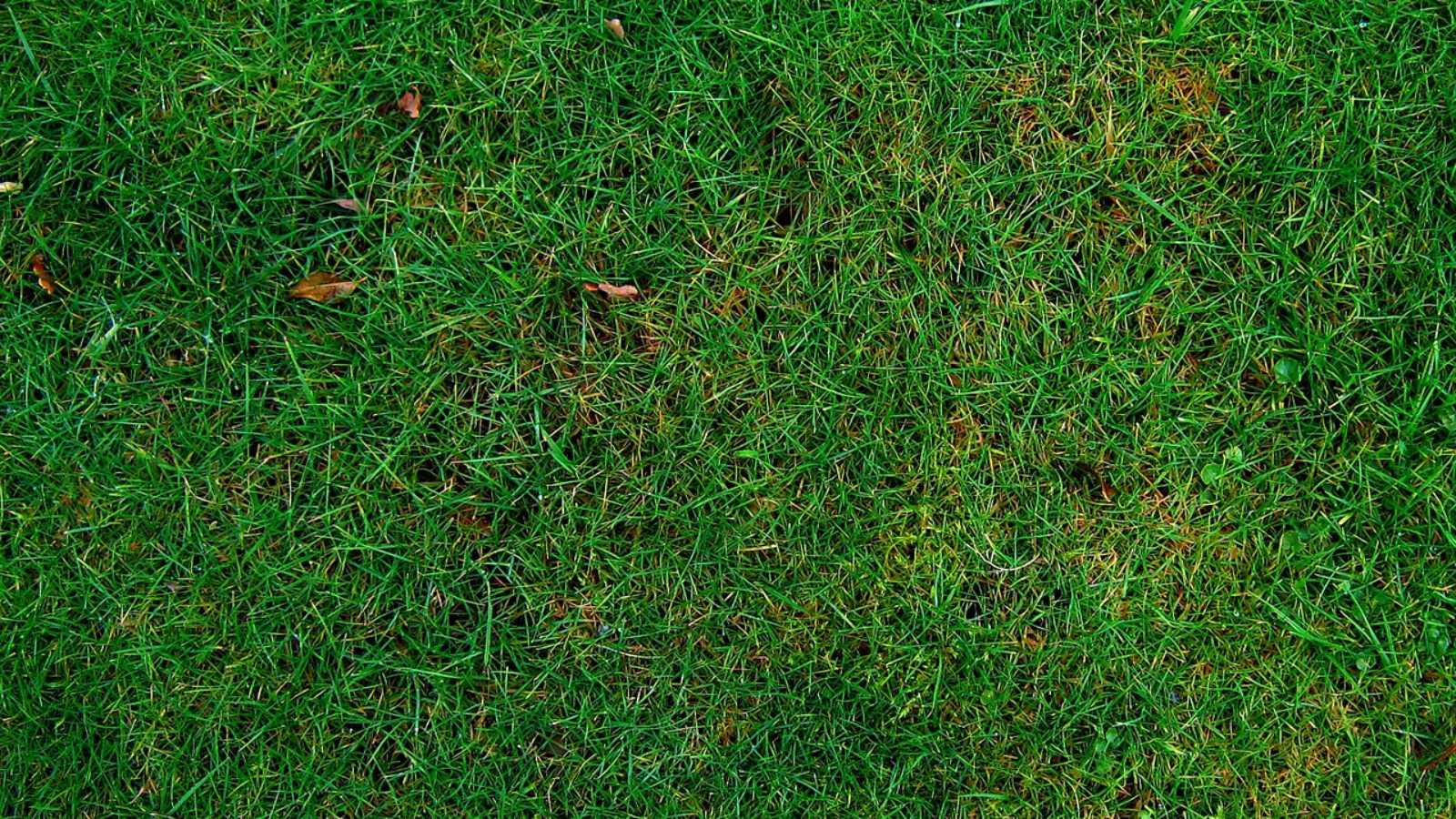
Every part of your lawn doesn’t get the same amount of light, and parts shaded by trees or buildings have different requirements. Some grasses do not grow well in shaded areas, so select the appropriate type for these areas. These areas should then be considered for planting shade-tolerant grass varieties or for mulching the soil to help protect it.