
A lot of the plants we grow for their flowers, foliage, or landscaping value have one thing in common: they can be toxic if handled improperly or ingested. In many cases, gardeners are surprised to learn that some of the most popular plants found in yards and garden centers can pose risks to children, pets, and wildlife.
That doesn’t mean every toxic plant needs to be removed from your property. Many can be grown safely with a little awareness and proper placement. The key is knowing which plants require extra caution before you add them to your landscape.
If you have curious kids, pets that like to nibble on leaves, or simply want to make informed choices about what you grow, it helps to know which plants deserve a closer look. Here are 10 toxic plants to avoid in your garden or handle with care.
Oleander
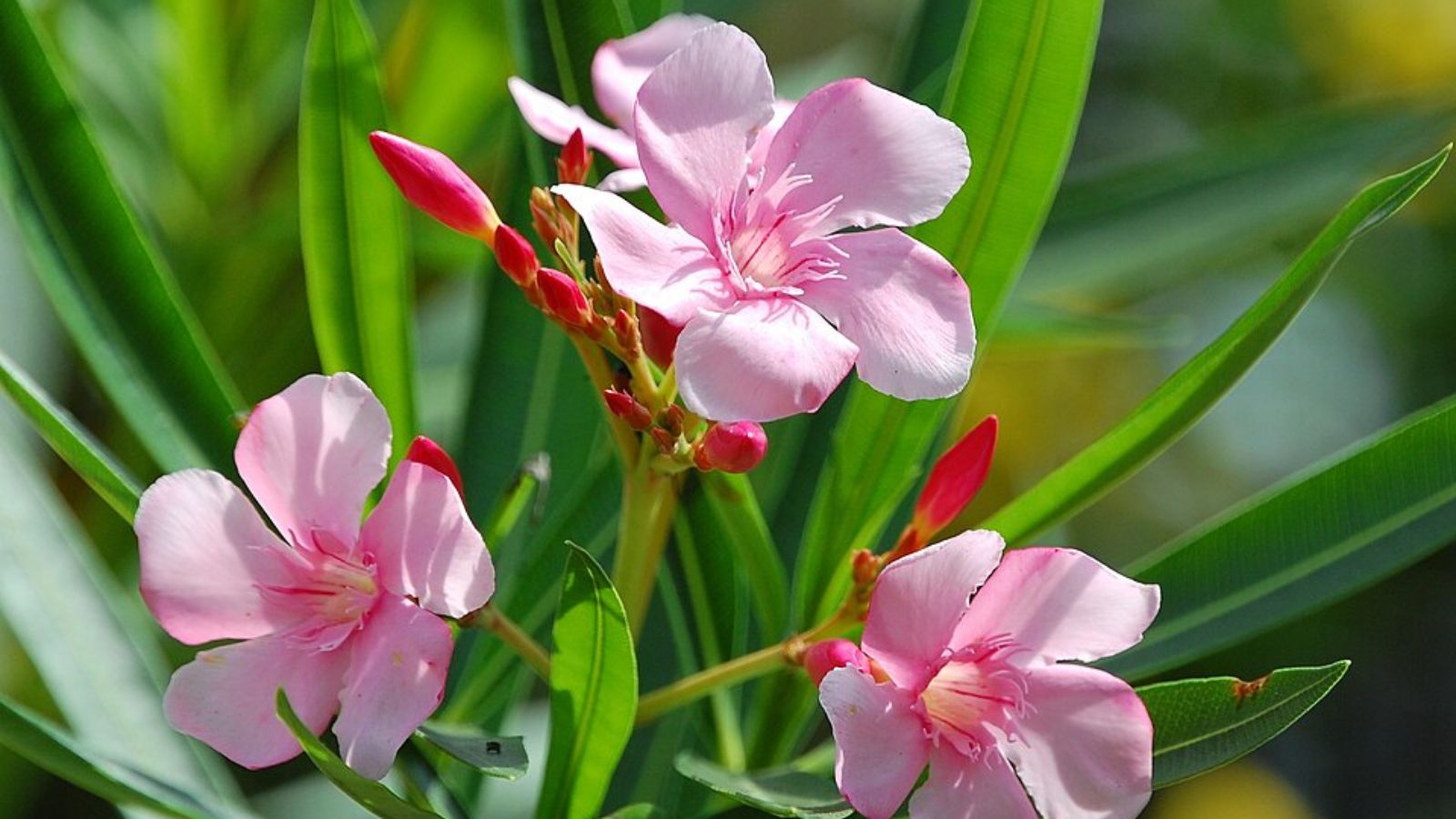
Oleander is a popular ornamental shrub known for its vibrant flowers, but every part of this plant is highly toxic. Ingesting even a small amount can cause severe symptoms, including nausea, vomiting, and, in extreme cases, death. It’s best to avoid planting oleander, especially in gardens where children or pets play.
Foxglove

Foxglove is admired for its tall spikes of bell-shaped flowers, but it contains digitalis, a compound used in heart medication. Ingesting any part of the foxglove plant can lead to heart problems, nausea, and other serious health issues. Its beauty is not worth the potential danger, making it a plant to avoid in your garden.
Rhododendron
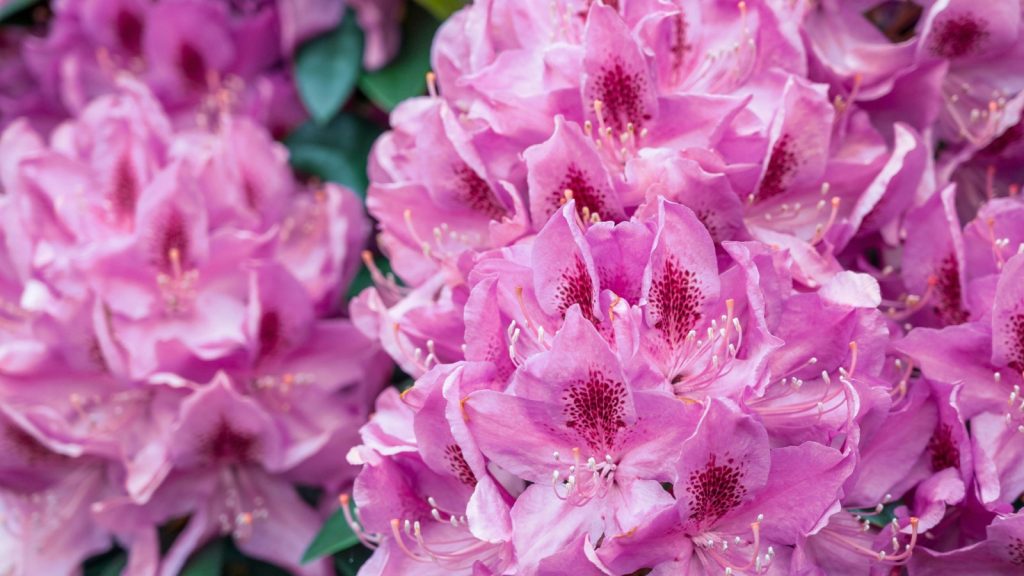
Rhododendrons are often prized for their large, colorful blooms, but contain grayanotoxins that can be harmful if ingested. Symptoms of poisoning include drooling, vomiting, and difficulty breathing. Choosing a different
Lily of the Valley
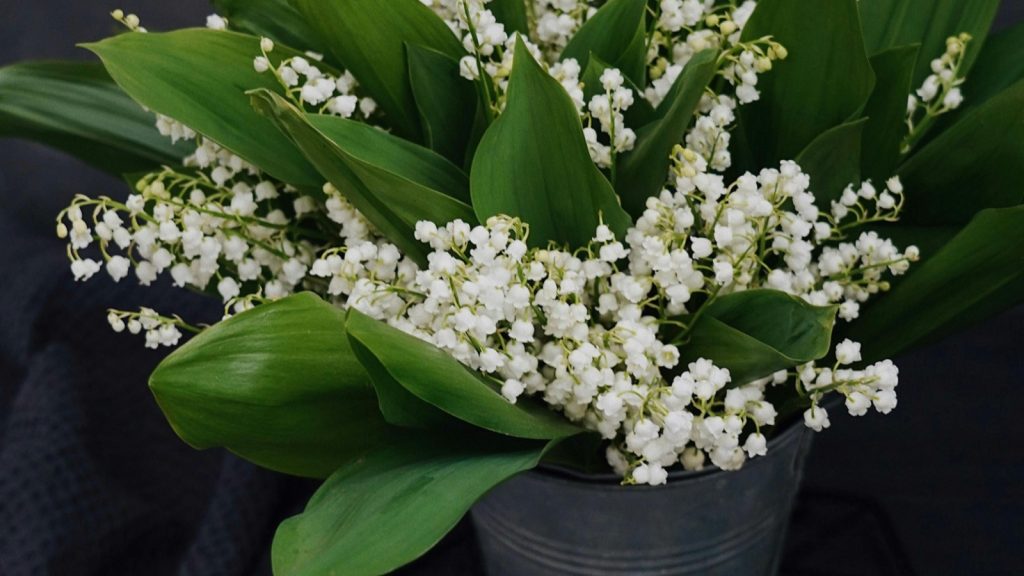
Lily of the Valley produces delicate, fragrant flowers that are lovely to look at but highly toxic if ingested. The plant contains cardiac glycosides, which can cause heart irregularities, nausea, and even death. Given its toxicity, keeping this plant out of your garden is wise.
Castor Bean

The castor bean plant is valued for its dramatic foliage but contains ricin, one of the most potent natural toxins. Even a small amount of ingested ricin can be fatal, making this plant extremely dangerous to have in your garden. It’s best to admire this plant from afar and choose safer alternatives.
Hydrangea

Hydrangeas are a garden favorite due to their large, colorful flower heads. They contain cyanogenic glycosides, which can release cyanide when ingested. While serious poisoning is rare, it’s still a risk you might not want to take, especially if you have curious pets or children.
Daffodil

Daffodils are a cheerful sign of spring, but their bulbs contain lycorine, a toxic alkaloid. Ingesting daffodil bulbs can cause nausea, vomiting, and abdominal pain. While the flowers are typically safe to admire, the bulbs should be handled carefully and planted in areas where pets and children won’t dig them up.
Monkshood
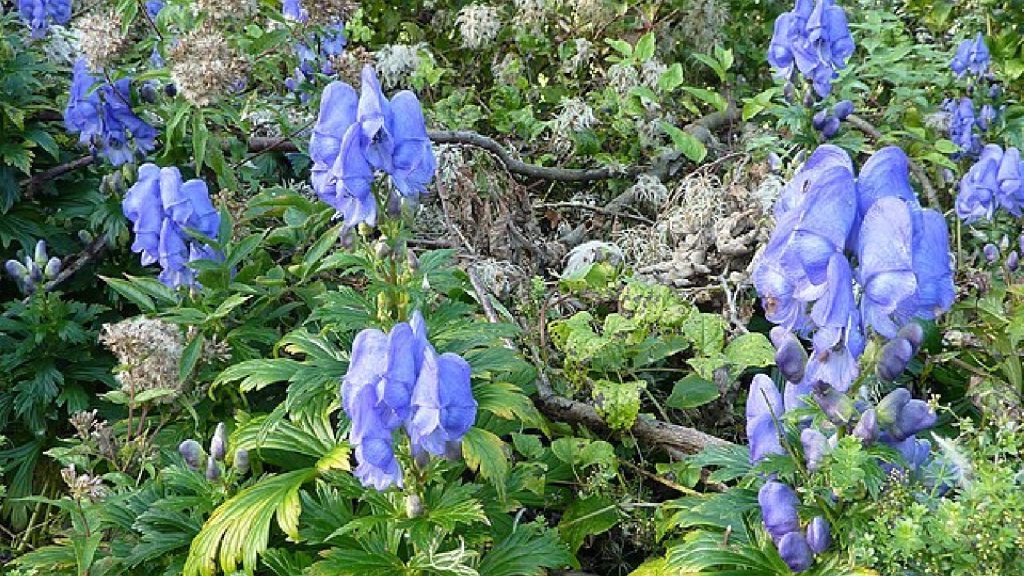
Monkshood, also known as wolf’s bane, has striking, highly toxic blue flowers. All parts of the plant contain aconitine, a toxin that can cause severe health issues, including paralysis and heart failure, if ingested. Its dangerous nature makes monkshood a plant to avoid in any garden.
Yew
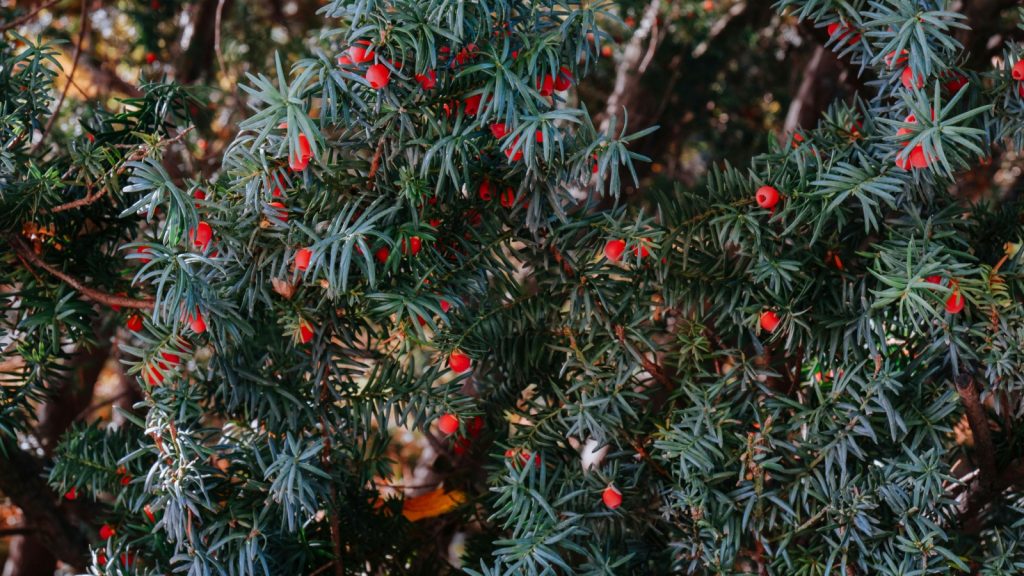
The yew tree is common in many gardens and landscapes. Its berries, leaves, and seeds are poisonous. Eating any part of the yew can lead to serious symptoms such as dizziness, difficulty breathing, and even death. Consider replacing yew with a non-toxic alternative to ensure safety.
English Ivy

English ivy is often used as a ground cover or as a decorative plant. However, it contains saponins that can cause skin irritation and other health issues if ingested. The plant’s ability to spread aggressively makes it a problematic choice for many gardens. To avoid potential harm, opt for less invasive and non-toxic ground covers.